
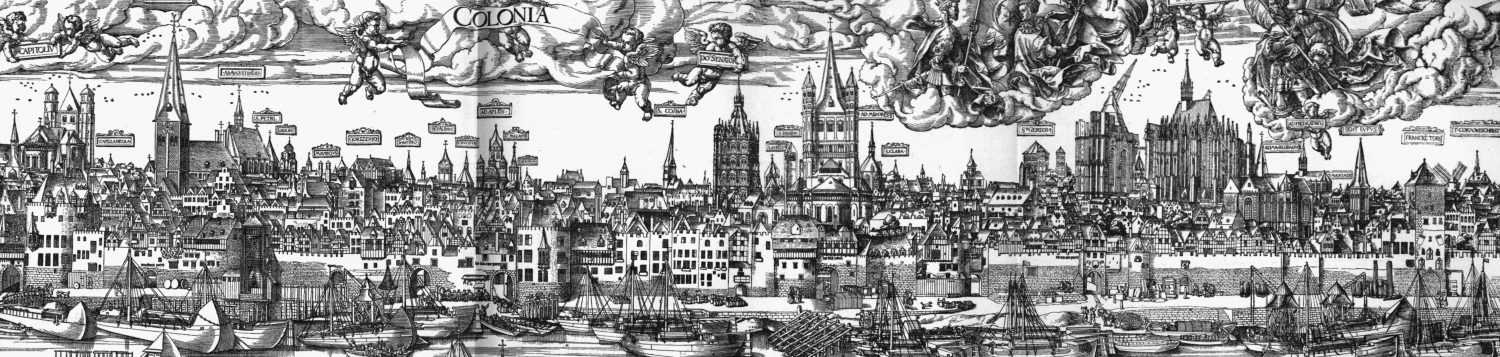
In this episode, we immerse ourselves in 12th century medieval Cologne and explore the fascinating life of the Jewish community that existed in the midst of a predominantly Christian majority society. We learn about the everyday hostilities the Jewish population faced, but also about phases of cooperation and joint action.
Codex Theodosianus / Decree of Constantine the Great
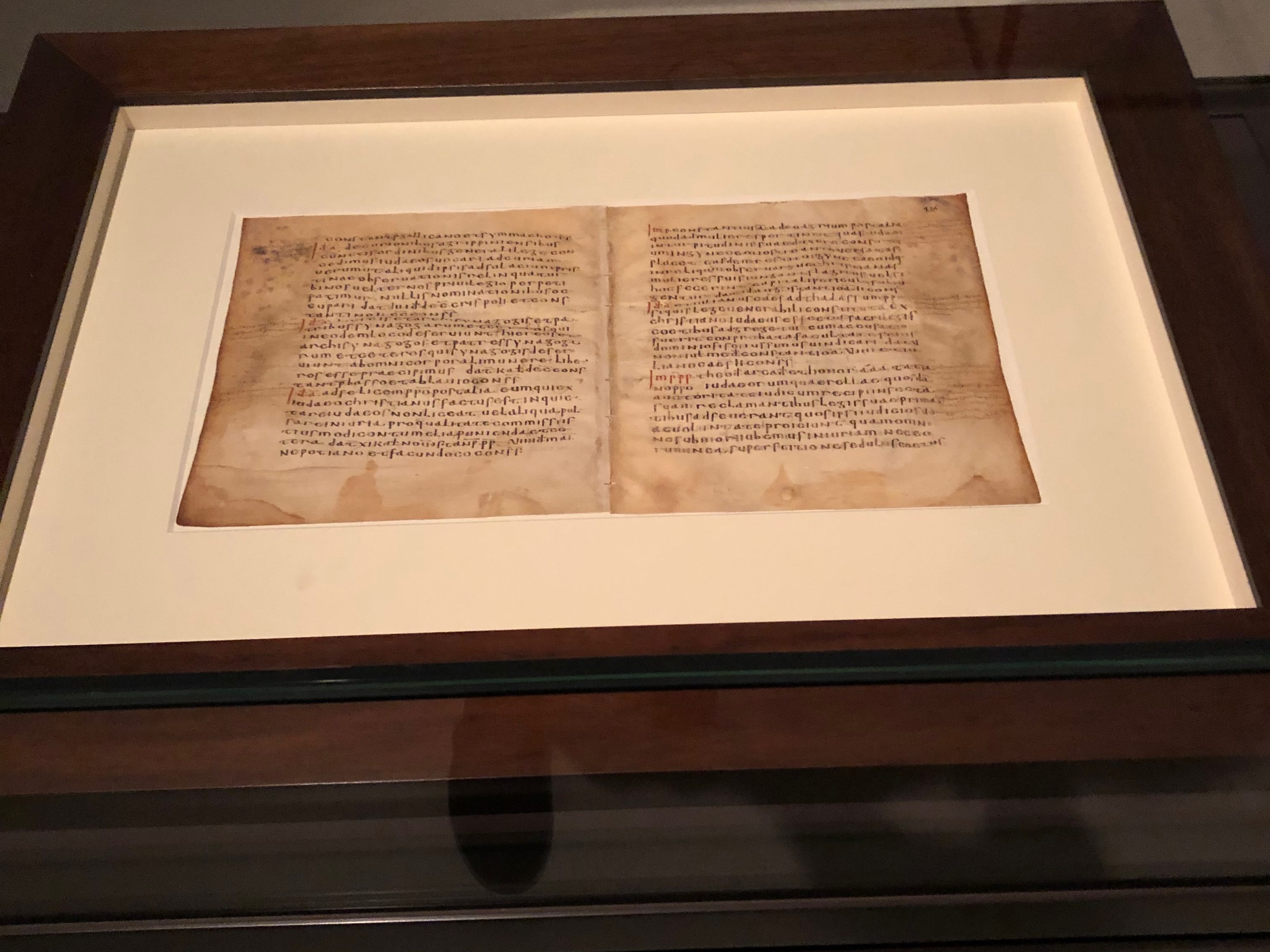
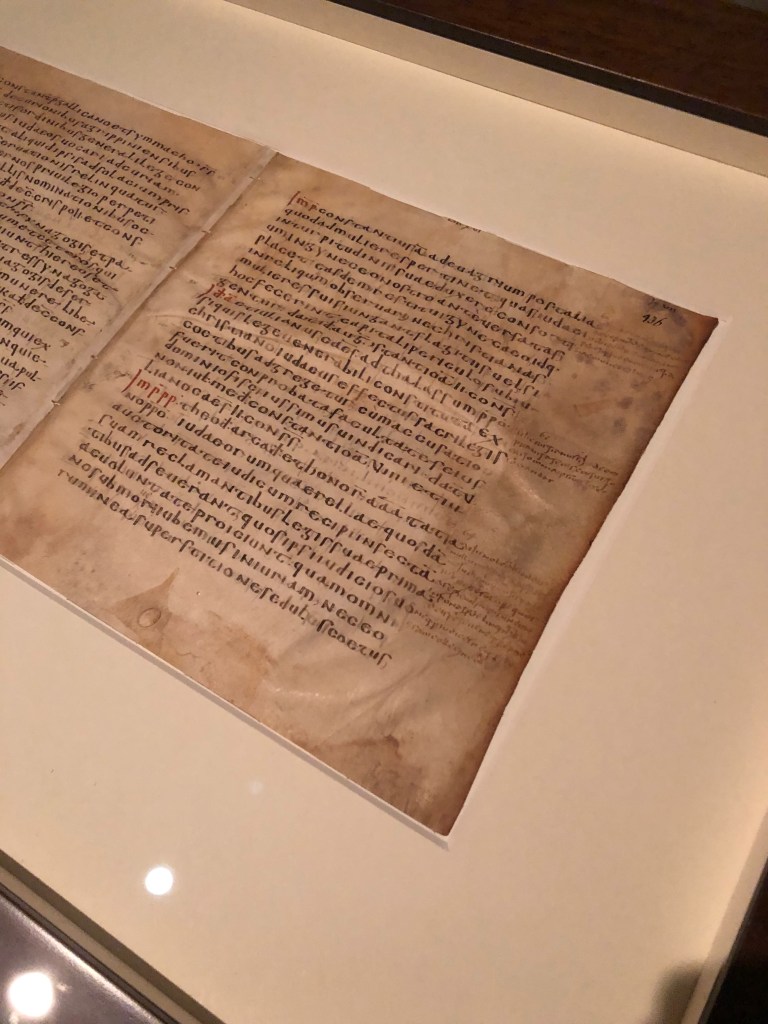
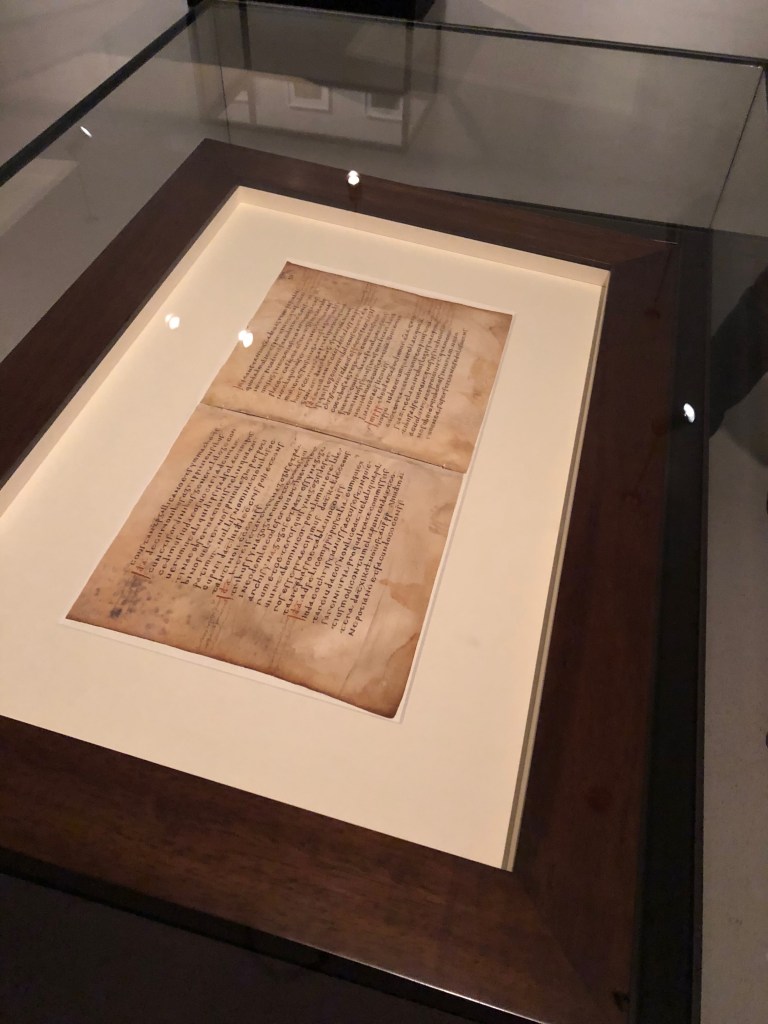
The contents of the Decree of 321 are recorded in the Codex Theodosianus from the 6th century. This Codex Theodosianus, an Eastern Roman collection of laws, was written down on parchment. Like most ancient texts, the original copy of the Decree of 321 has not survived.
In 321, the Roman Emperor Constantine issued the following decree: “We allow all city councils by general law to appoint Jews to the city senate.” What this exactly entailed, I have already mentioned in episode 15 about the religions in Jewish Cologne. The mention of the Cologne Jewish community is thus the oldest written record of Jewish life north of the Alps.
Based on this historical evidence, today’s Jewish community in Cologne calls itself the oldest community north of the Alps.


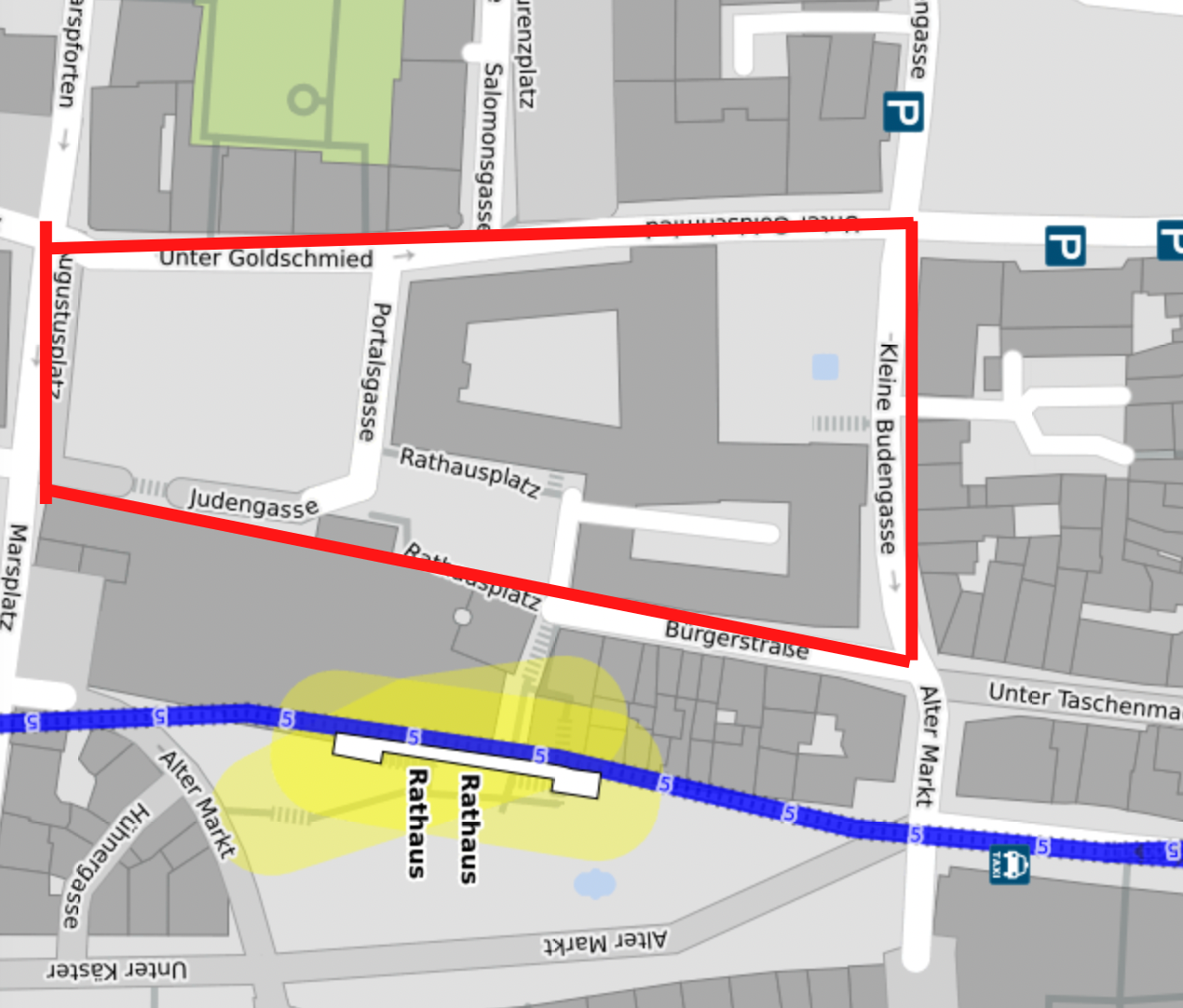
Jewish Quarter in Cologne
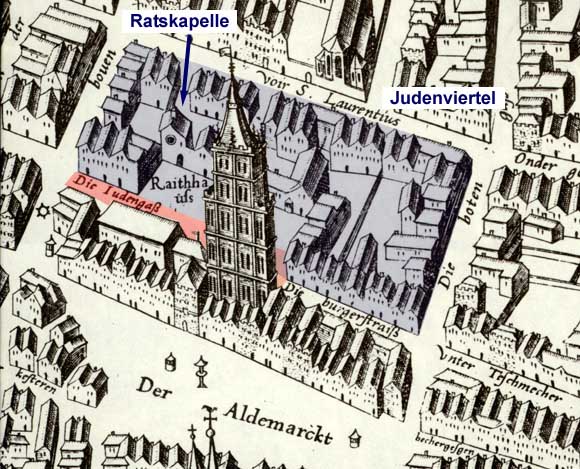
Detail from the Mercator map of 1570 showing the area of the Jewish quarter. Marked in blue. In the 16th century, however, no Jews lived here anymore. Also the town hall with its imposing tower did not stand here in 1096.
Medieval Synagogue
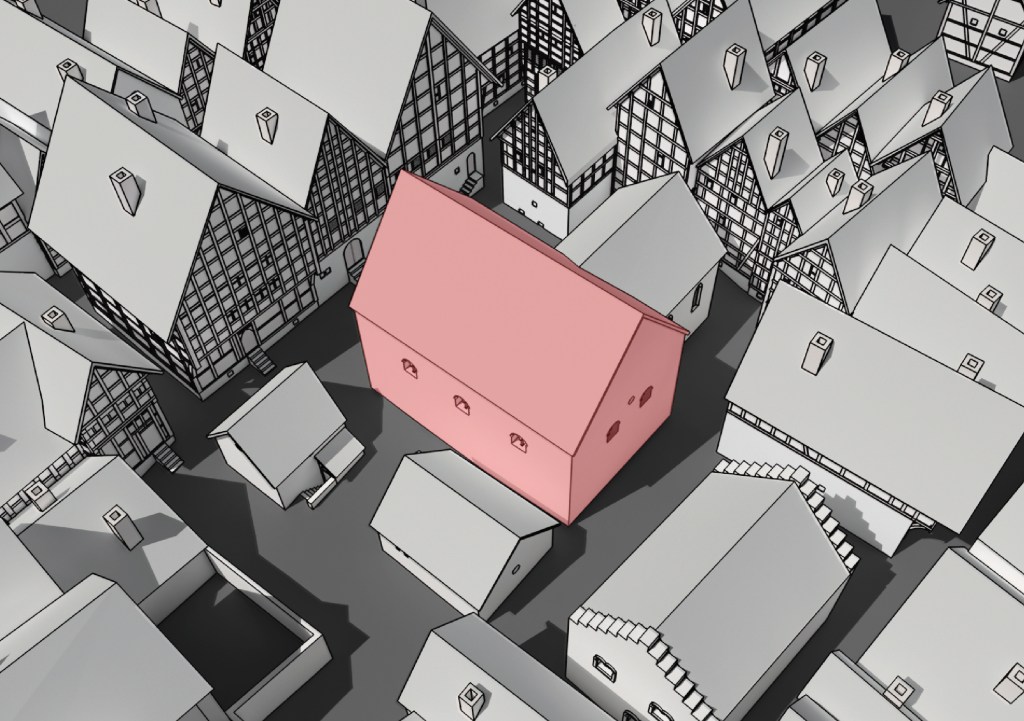
Different modes of presentation – here in comic style – make the explanatory film exciting. © 2020 City of Cologne, Department of Art and Culture, VII/3 – Archaeological Zone/Jewish Museum, LVR Jewish Museum in the Archaeological Quarter (MiQua), Darmstadt University of Technology, Digital Design Department

Vorläufige Rekonstruktion der Bima, Arbeitsstand Juli 2018. © Stadt Köln, Dezernat Kunst und Kultur, VII/3 – Archäologische Zone/Jüdisches Museum, MiQua. LVR-Jüdisches Museum im Archäologischen Quartier Köln, Technische Universität Darmstadt, Fachgebiet Digitales Gestalten, Architectura Virtualis GmbH, Kooperationspartner der TU Darmstadt”
Inside the medieval synagogue.
Medieval Synagogue Cologne 1349. Preliminary reconstruction of the Bima, working status July 2018. © City of Cologne, Department of Art and Culture, VII/3 – Archaeological Zone/Jewish Museum, MiQua. LVR Jewish Museum in the Archaeological Quarter Cologne, Darmstadt University of Technology, Department of Digital Design, Architectura Virtualis GmbH, cooperation partner of TU Darmstadt.
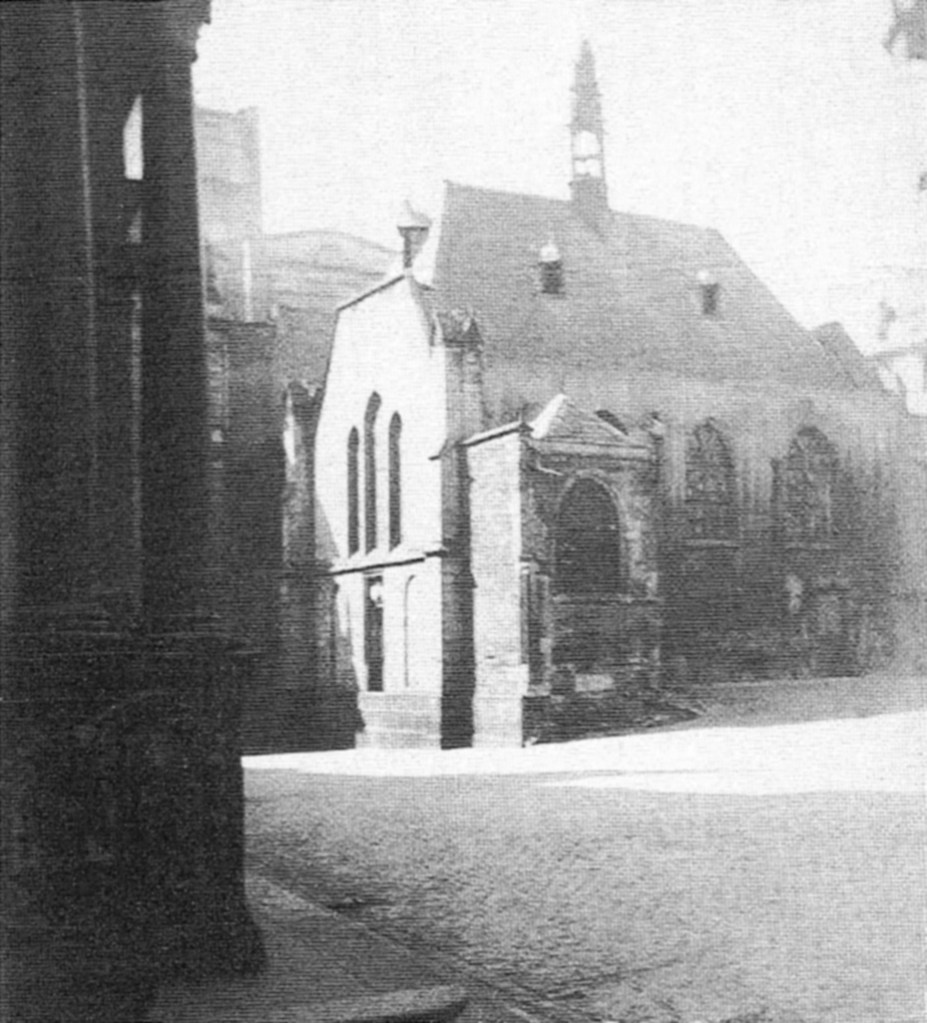
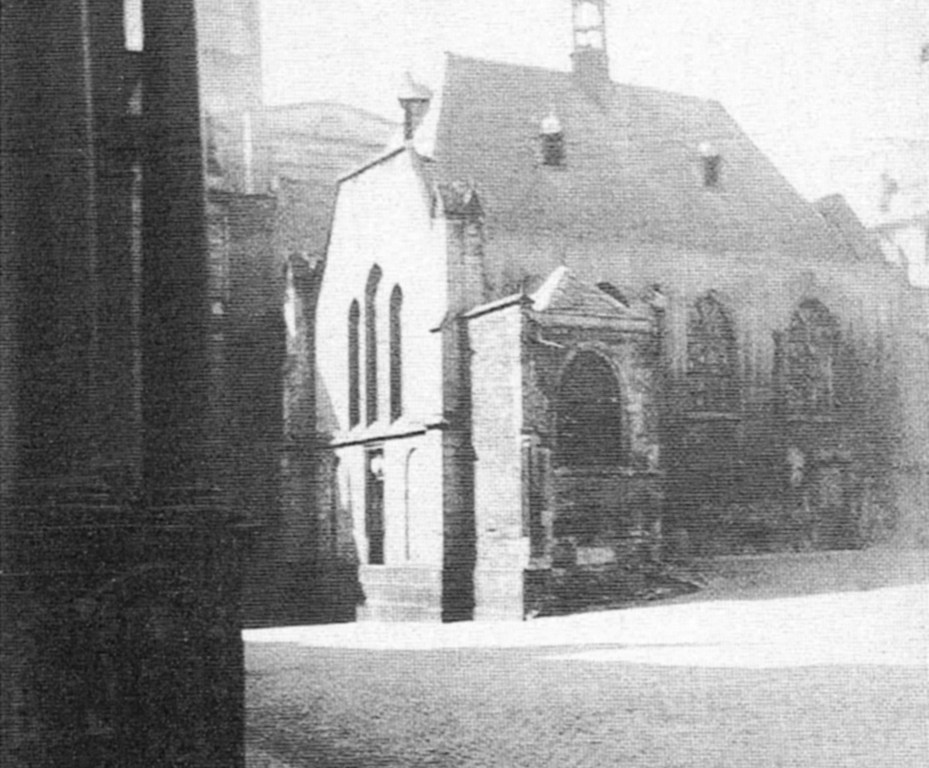
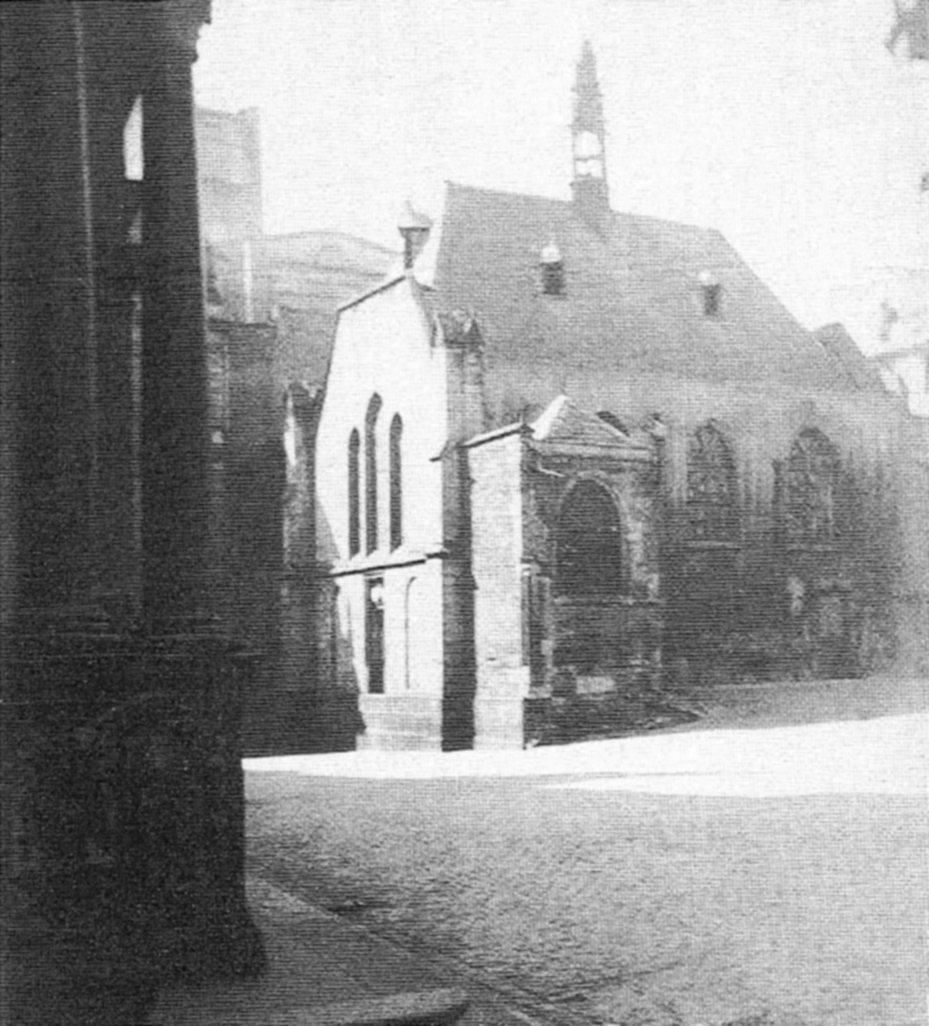
The medieval synagogue of Cologne in 1876 remodeled in the 15th century as a Catholic city hall chapel. It was destroyed in WW2 and never rebuilt.
The Mikwe – Jewish Ritual Bath

A look into the medieval Mikwe.

The Jewish Ritual Bath (Mikveh) in the underground dating back to the 11th century.
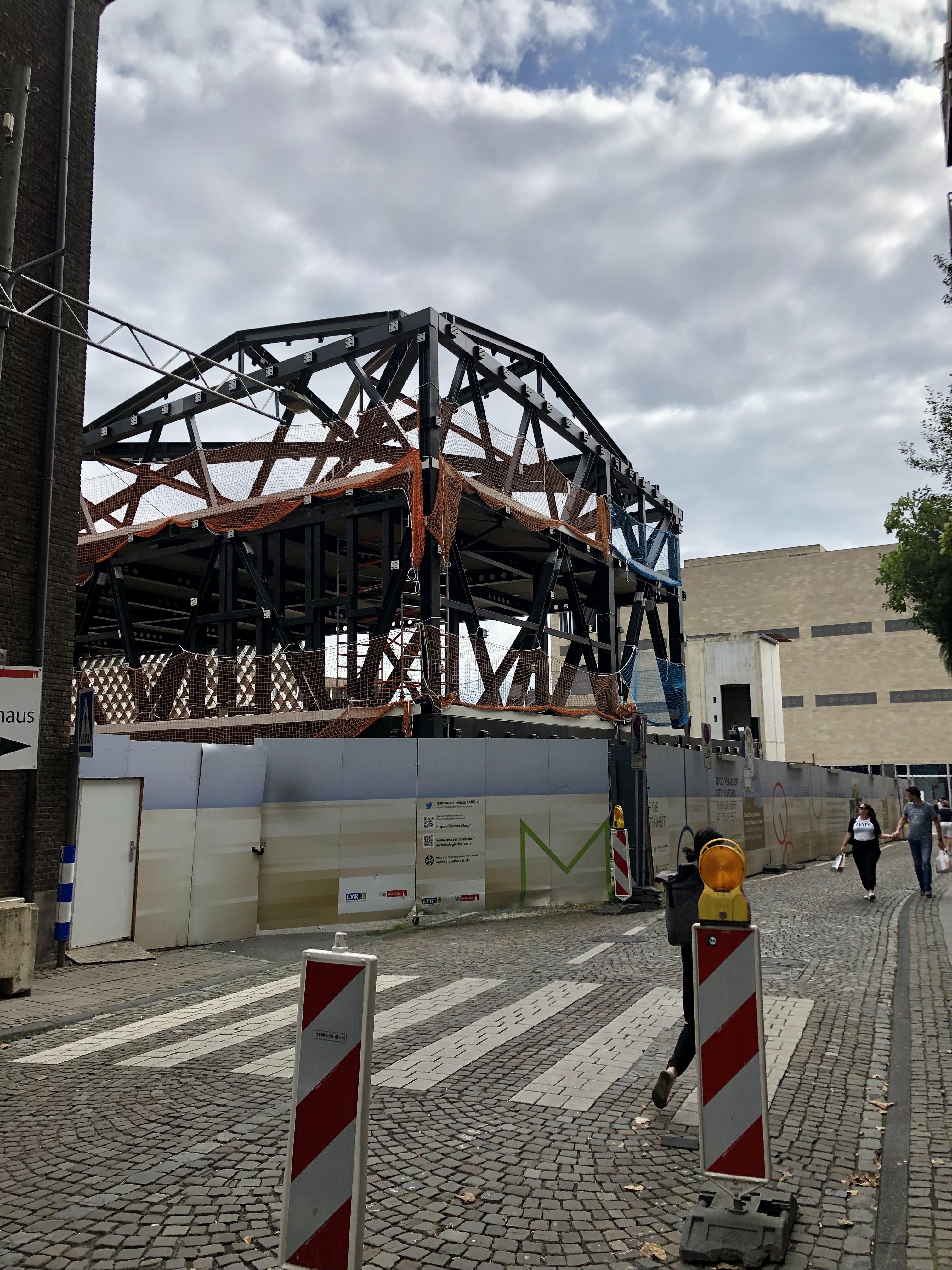
Miqua Museum that is currently being built to present Cologne’s Jewish and Roman history at this place

Look into the Roman Pretorium on which on top the medieval Jewish Quarter of Cologne was built.
Excavations in the Jewish quarter

On this old photo of mine you can still see a part of the town hall square before the new building of the Miqua Museum was started. Under this glass dome you could see the remains of the Jewish ritual bath, the Mikveh. It will now be even better to admire in the new museum building.
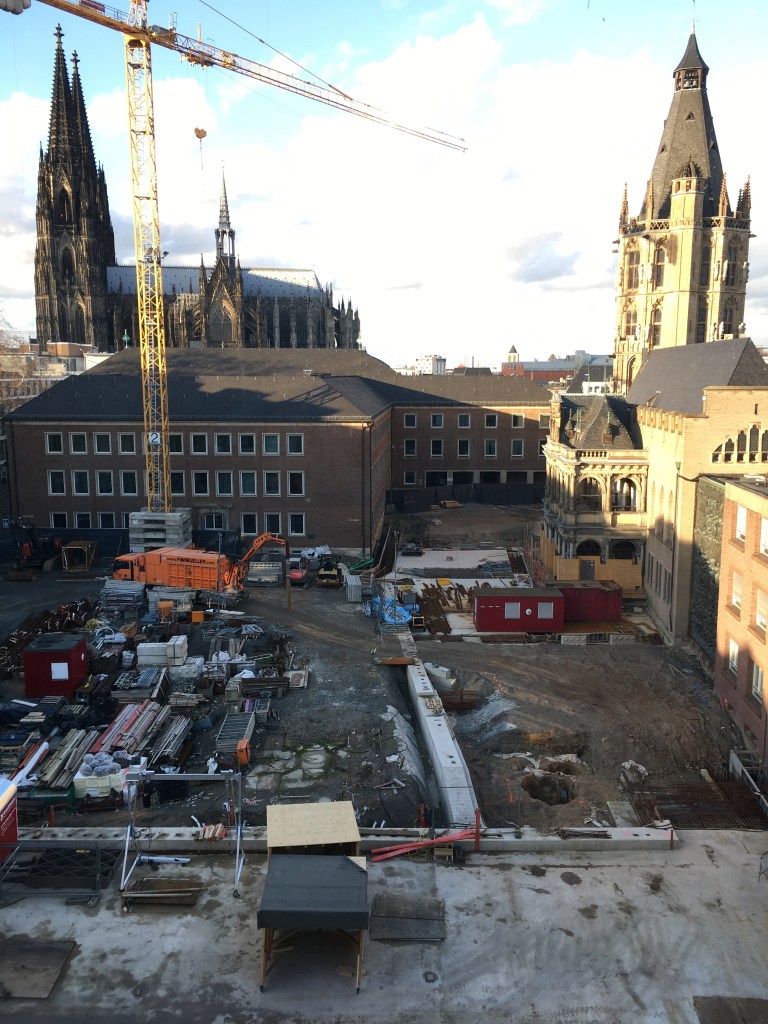
Here you can see the southern part of the former Jewish quarter. The northern part is nowadays built with an annex of the Cologne City Hall, which you can see here clearly directly behind the construction crane.

Here you can see the foundation walls of plots of destroyed houses, marked with the names of the once Jewish homeowners.
Shrine Book
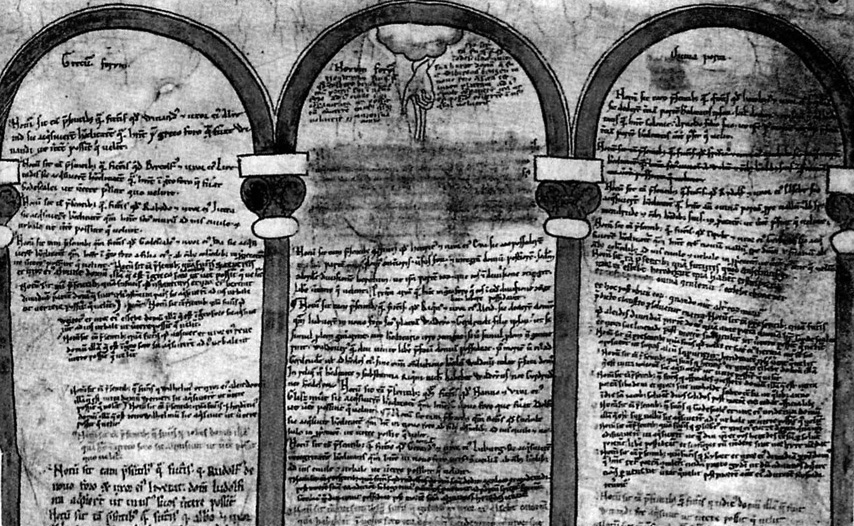
An excerpt from a shrine book, unfortunately I only found one in black and white.

The neighboring Christian parish church of St Laurenz that kept the Jewish Shrine Book.
Wall section for the Jewish Community
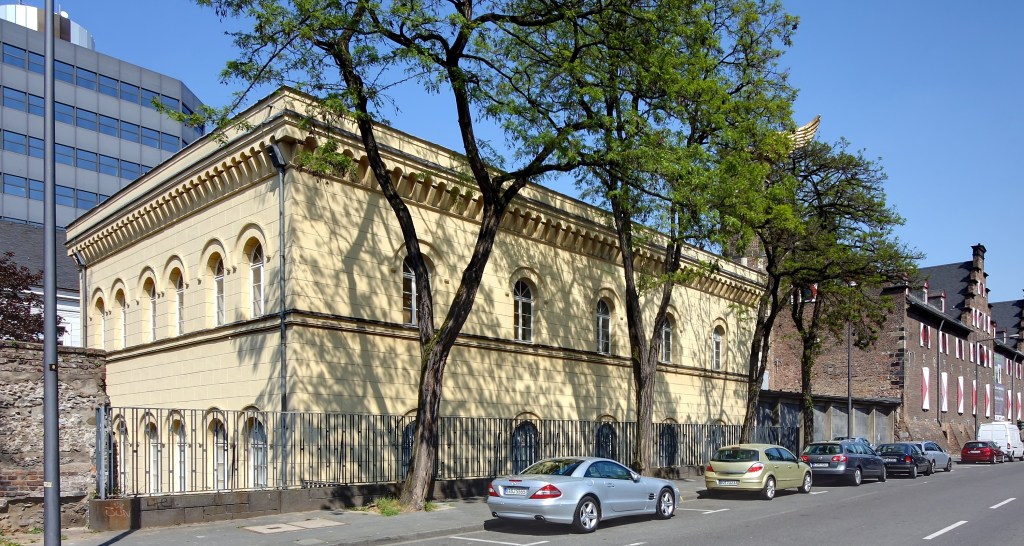
Up until 1180, the Jewish Community had this part of the Cologne City Wall assigned to them to defend it in case of war and maintain it in peace times. Where once the “old” Jewish Gate stood is now a neo-classical building. Looking to the left, you can still see the city wall in part.
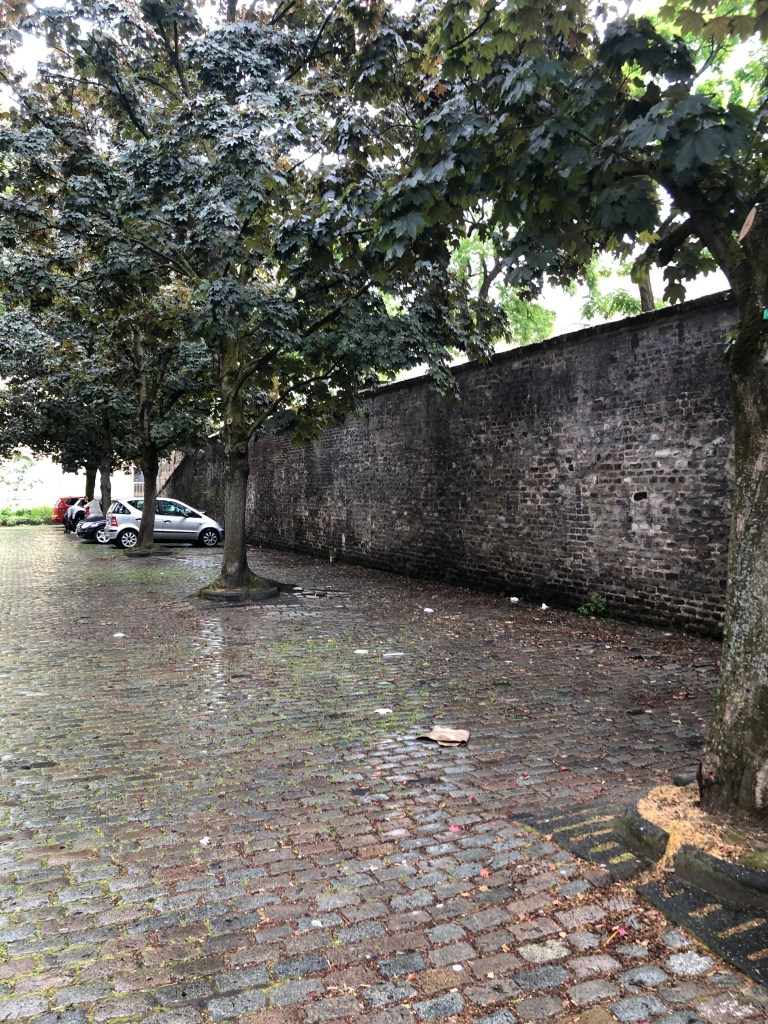
The wall right next to the “old” Jewish Gate.
Medieval Jewish Cemetery (Judenbüchel)

Detail from an engraving by Friedrich W. Delkeskamp (1794-1872) showing the Jewish cemetery Judenbüchel.
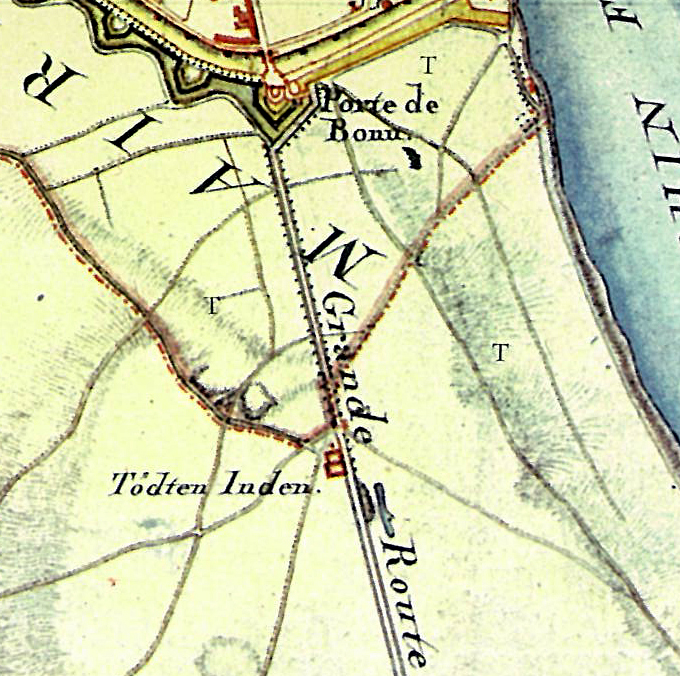
Detail from the Tranchot map of 1807/08.
The area today has a market hall that was build there in 1936 by the Nazis in the attempt to erase that part of medieval Jewish history.

© Superbass / CC-BY-SA-3.0 (via Wikimedia Commons)
 The History of Cologne Podcast