
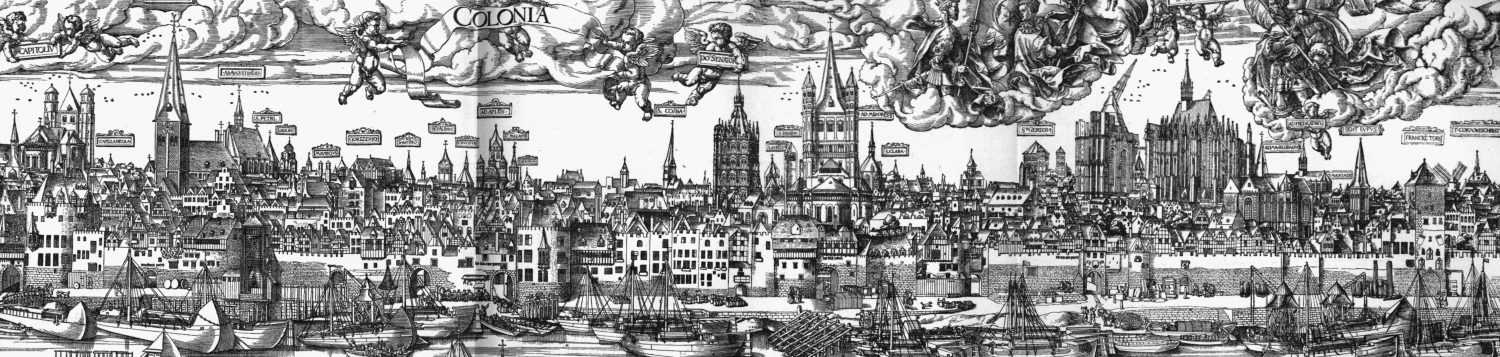

In this episode, we take a look at the life and legacy of Albertus Magnus, the renowned medieval scholar who shaped Cologne’s intellectual history. Learn how he blended faith with reason, contributed to natural science, and became part of the legend surrounding the construction of Cologne Cathedral. Was Albertus really behind the city’s most iconic structure? Join us as we uncover the man, the myth, and his enduring influence.
Albertus Magnus – Albert the Great
Albertus Magnus, a 13th-century scholar and Dominican friar, spent part of his life in Cologne, where he taught and influenced medieval intellectual life.

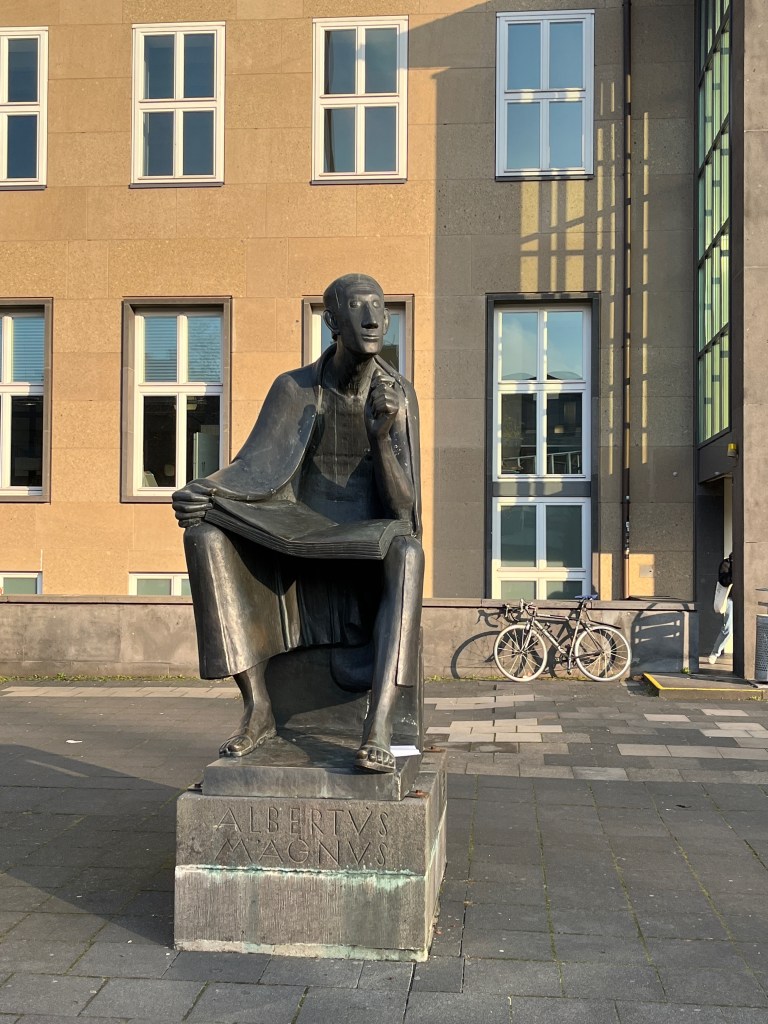
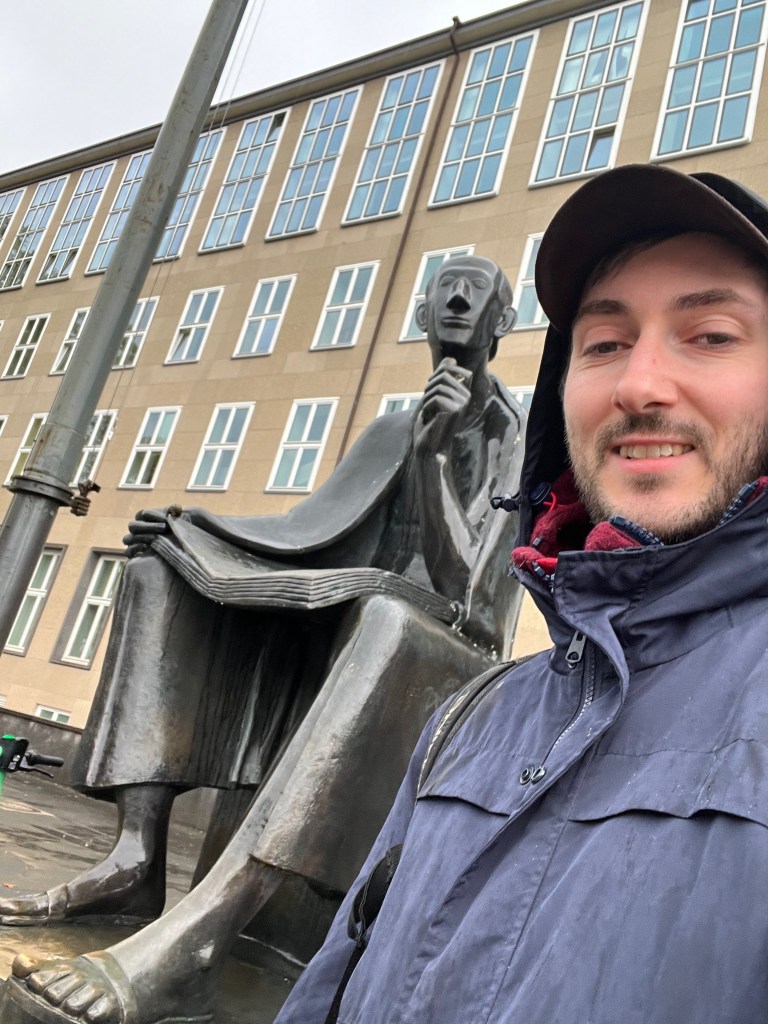
Statue of Albertus Magnus in front of University of Cologne
The Statue of Albertus Magnus in front of the University of Cologne is a prominent tribute to the medieval scholar and philosopher. Installed in 1956, the statue honors Albertus Magnus’ legacy as a key intellectual figure and patron of the university. It depicts him in a contemplative pose, symbolizing his dedication to knowledge and his role in blending philosophy, theology, and natural science. The statue reflects the university’s respect for his contributions to education and scholarly tradition, as Albertus Magnus was instrumental in shaping medieval thought, particularly in the fields of logic and the natural sciences. The statue serves as a reminder of his influence on both the University of Cologne and the broader academic world.
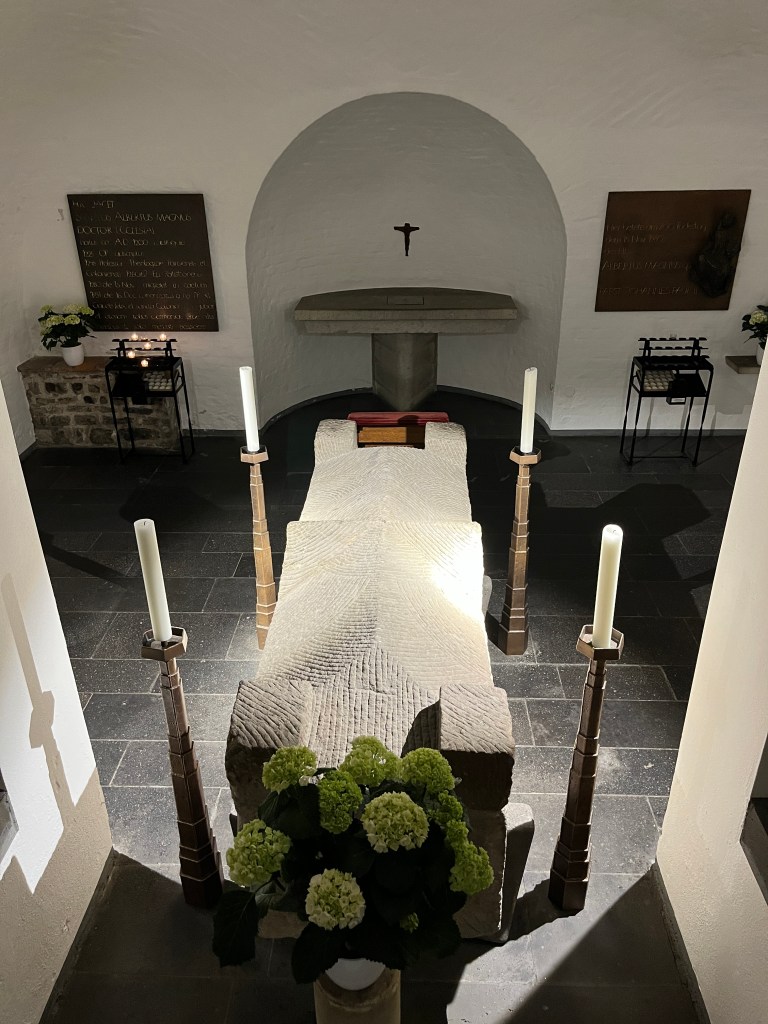
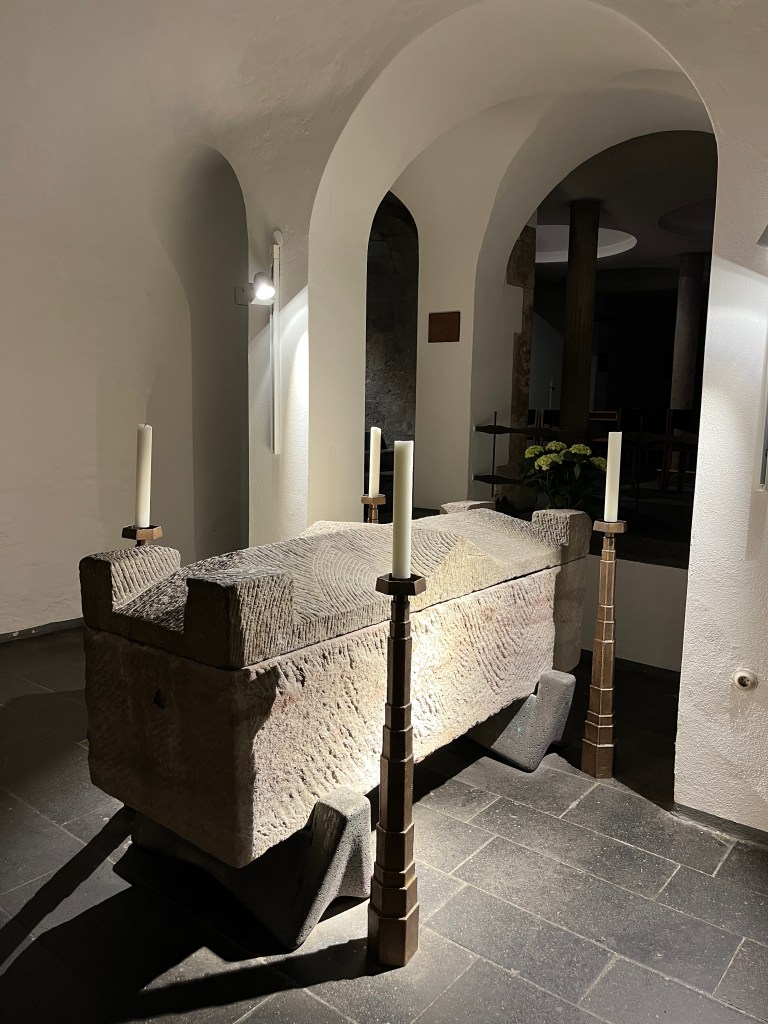
Tomb of Albertus Magnus
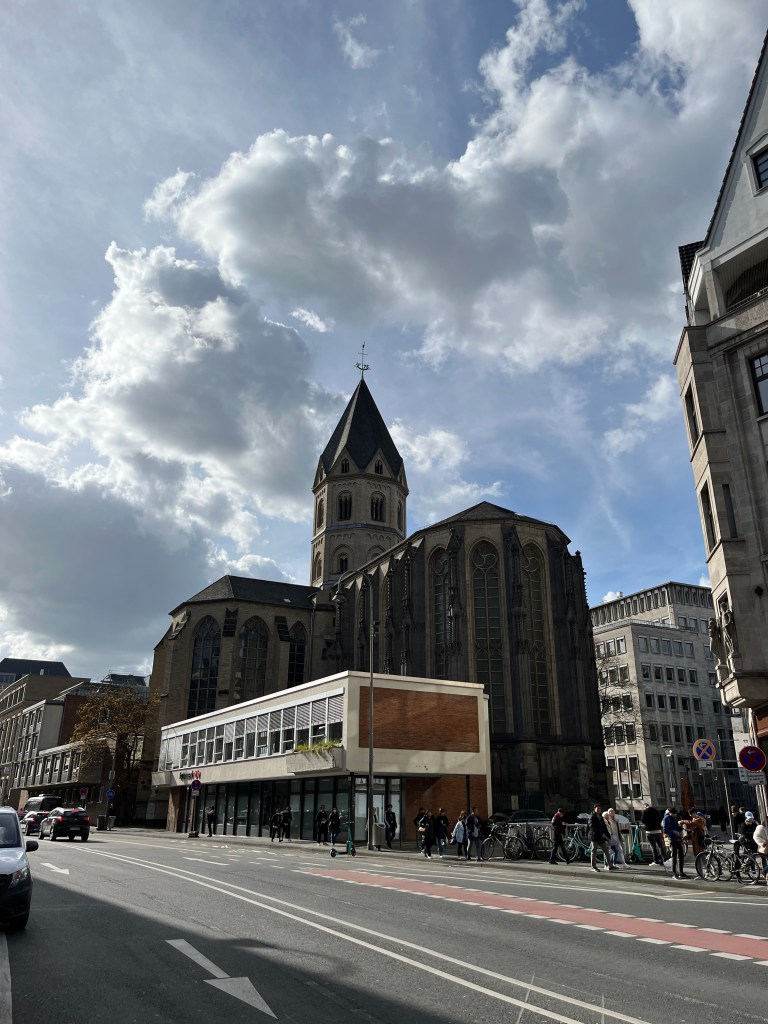
Albertus Magnus is buried at the Basilica of St. Andreas (St. Andrew’s Church) in Cologne, Germany. This Romanesque church, dating back to the 10th century, is notable for its architectural beauty and historical significance. It features impressive Gothic and Baroque elements, including a striking nave and crypt. The basilica is a major pilgrimage site, as it houses the tomb of Albertus Magnus, located in a richly decorated chapel. His tomb draws visitors for both its religious significance and its connection to one of the most important scholars of the Middle Ages. St. Andreas is also known for its connection to Cologne’s rich ecclesiastical history.


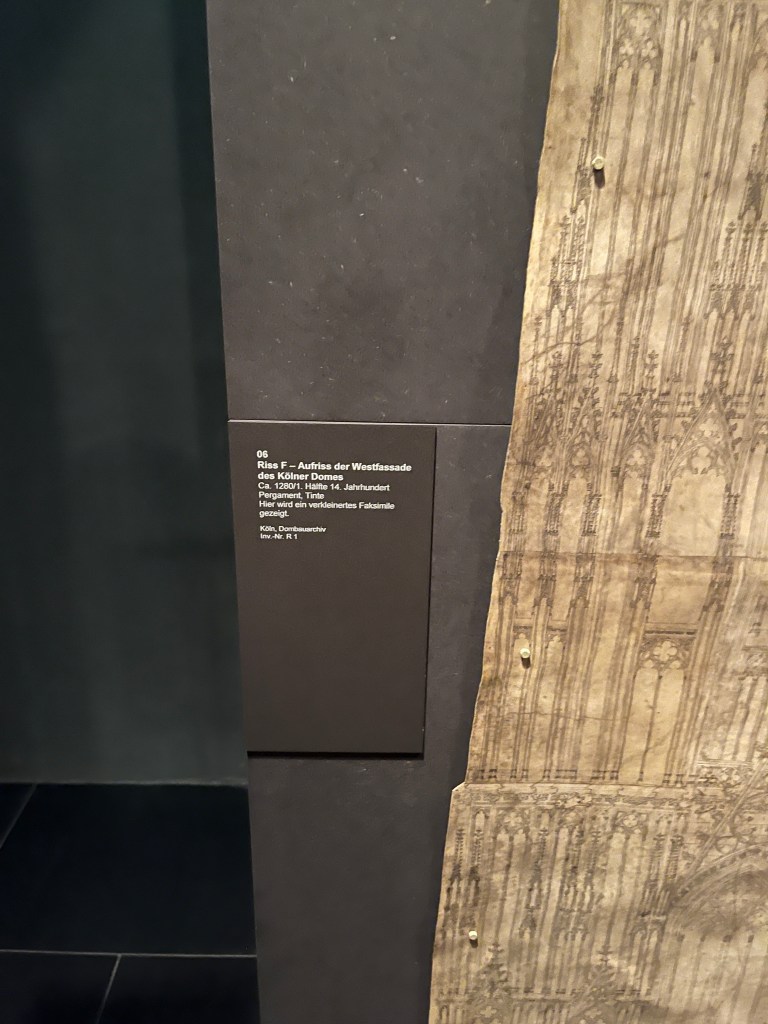
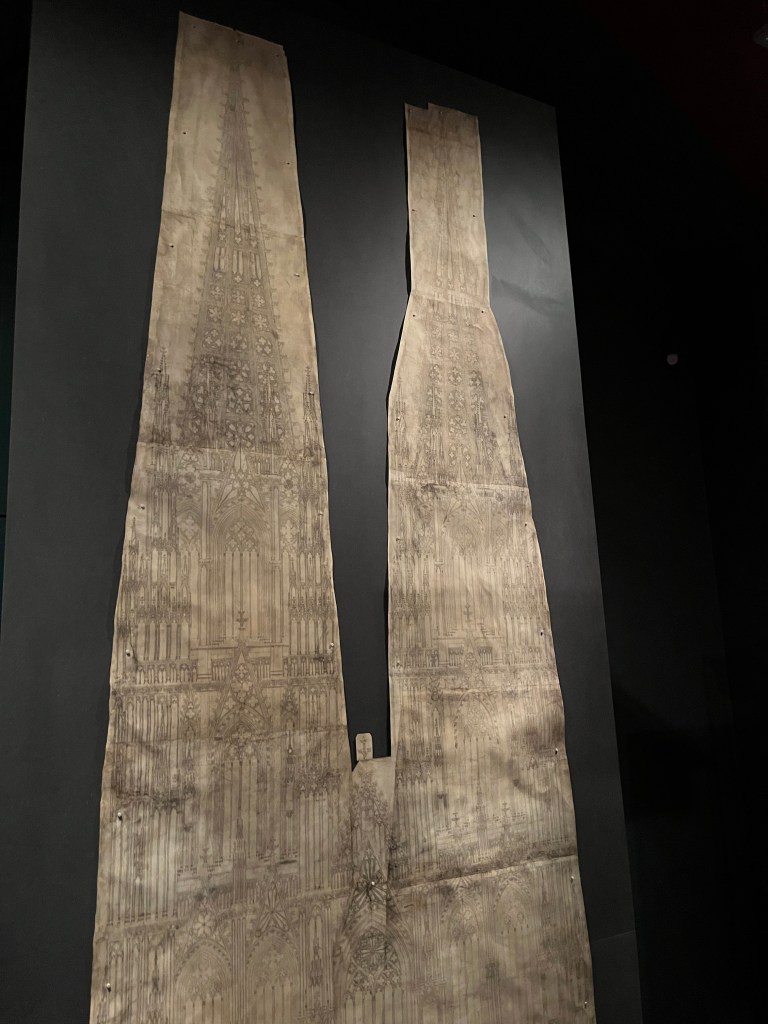
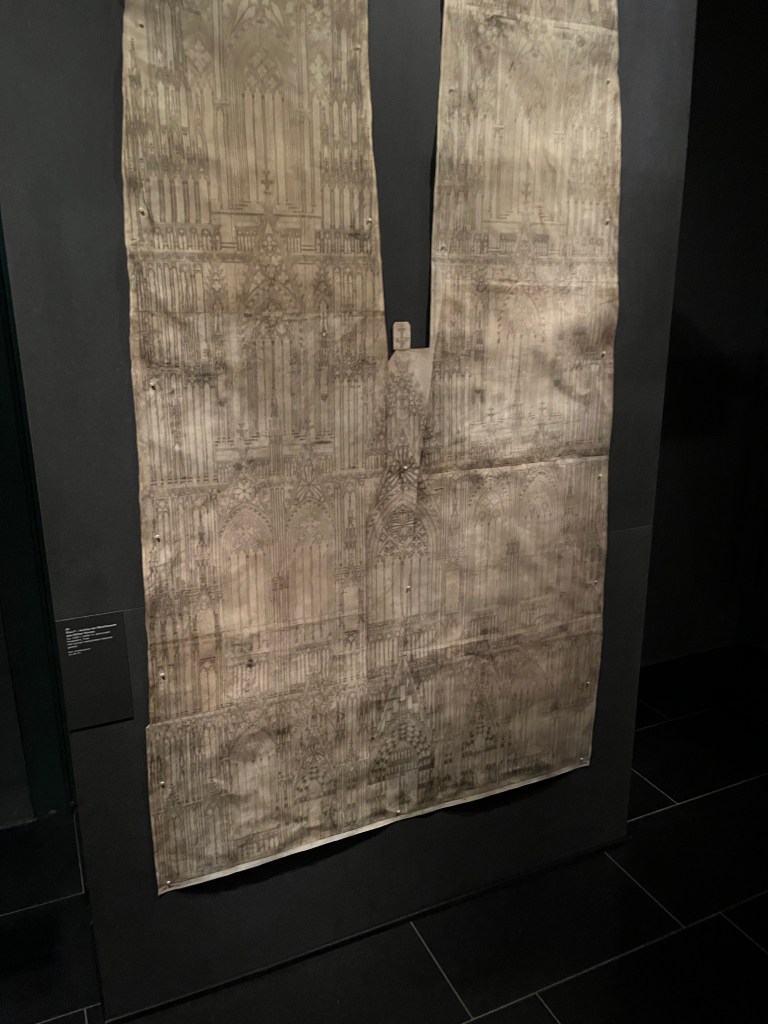
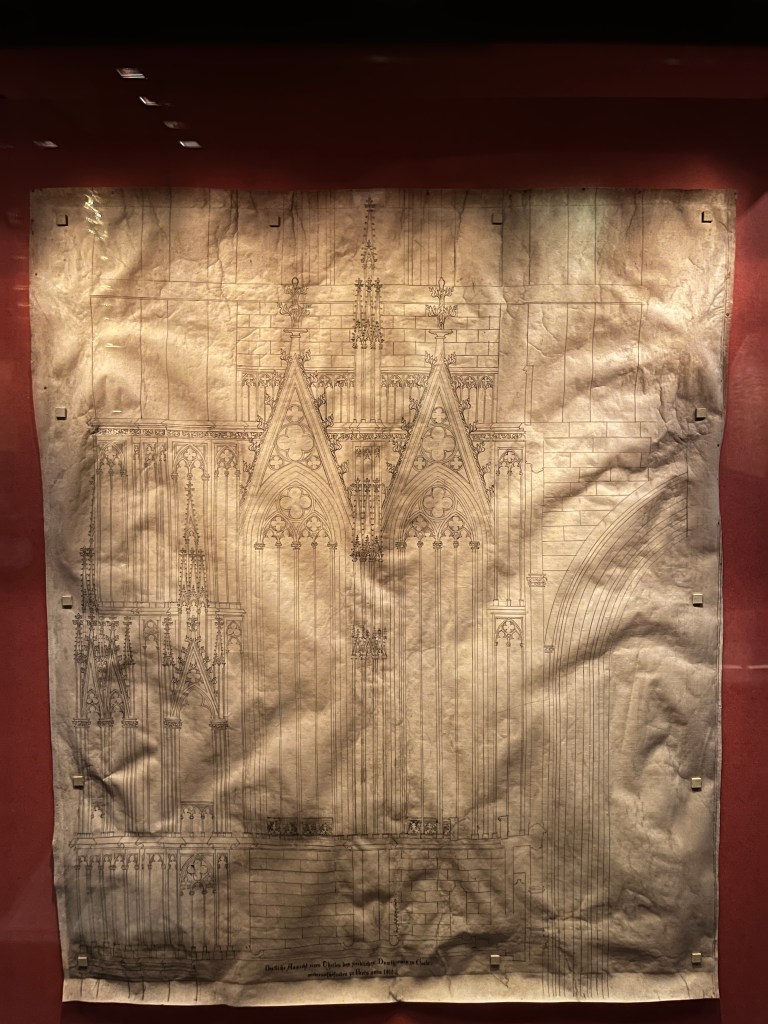
Planriss F (Blueprint F)
A legend says that Albertus Magnus was inspired by the Virgin Mary and four holy architects to come up with this plan. But as you might have guessed it. It’s just a legend and not true. The plan here was made in the late 13th century by someone else unknown to us.




Albert the Author
As an author, Albertus Magnus wrote extensively on philosophy, theology, and natural sciences, combining Aristotelian philosophy with Christian doctrine. His works covered diverse subjects, including logic, metaphysics, ethics, zoology, botany, and alchemy. Albertus Magnus sought to harmonize faith and reason, making Aristotle’s works accessible to the medieval Christian world. His most famous works include Summa Theologiae and De animalibus, and he is considered one of the most important figures in Scholasticism. His writings laid the foundation for later thinkers, including his famous student, Thomas Aquinas.

The beginning of Albert’s treatise On Good in the Cologne Cathedral Library manuscript, Codex 1024.
 The History of Cologne Podcast