
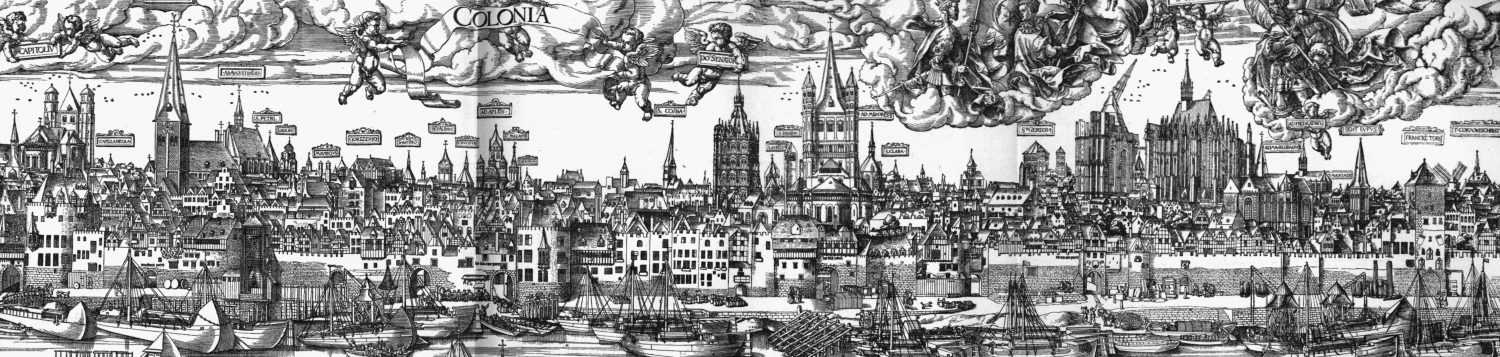
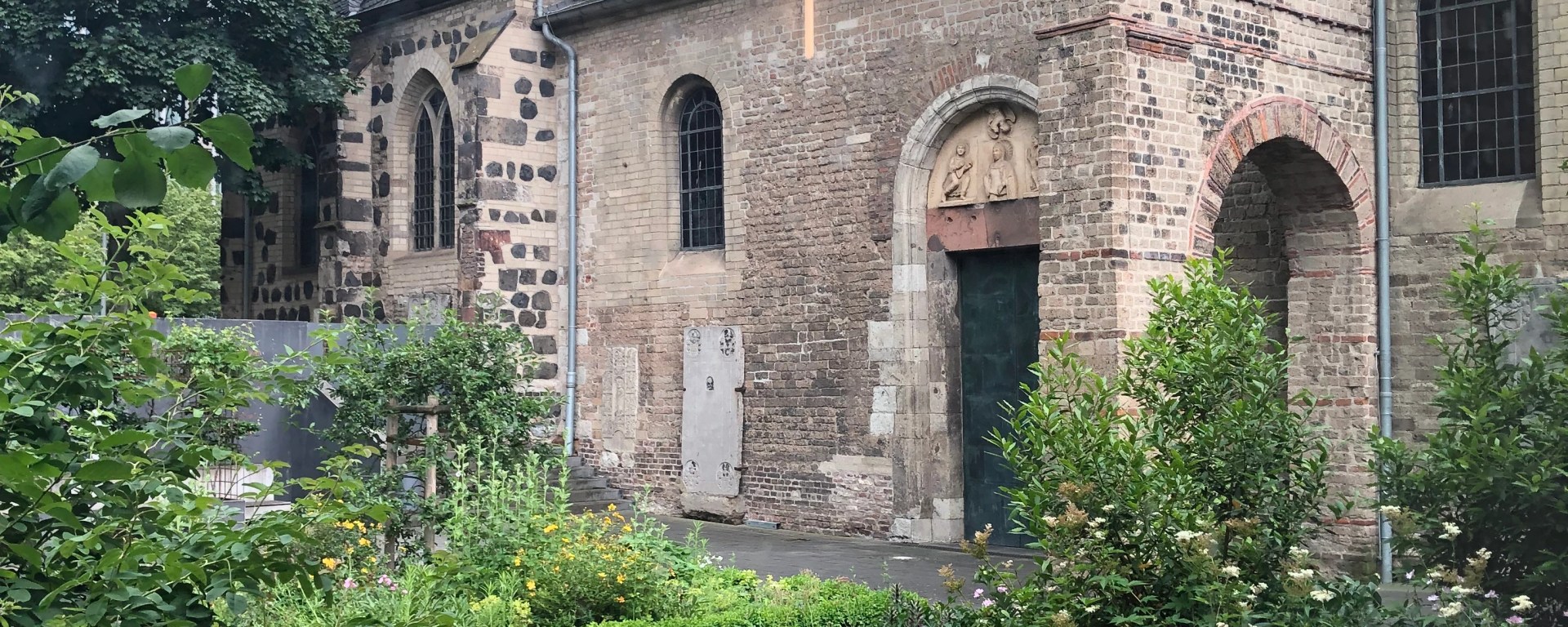
In the 13th century, they were far more than just places of prayer: The convents of St Ursula, St Cäcilien and St Mary in the Capitol played a decisive role in shaping the spiritual, economic and cultural life of medieval Cologne.
In this episode, we take a look at the lives of the aristocratic canonesses, their influence on education, land ownership and urban development – and why these women’s convents can be seen as centres of female power in a male-dominated world.
The three oldest women convents in Cologne
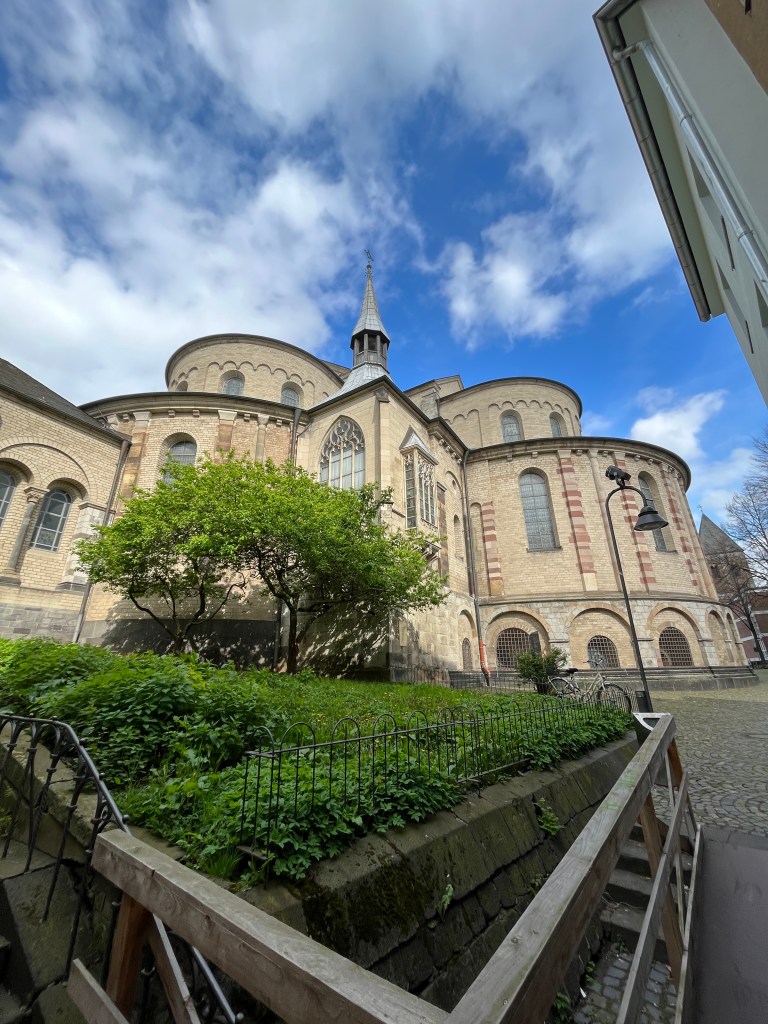
Dissolved in 1802

Dissolved in 1802
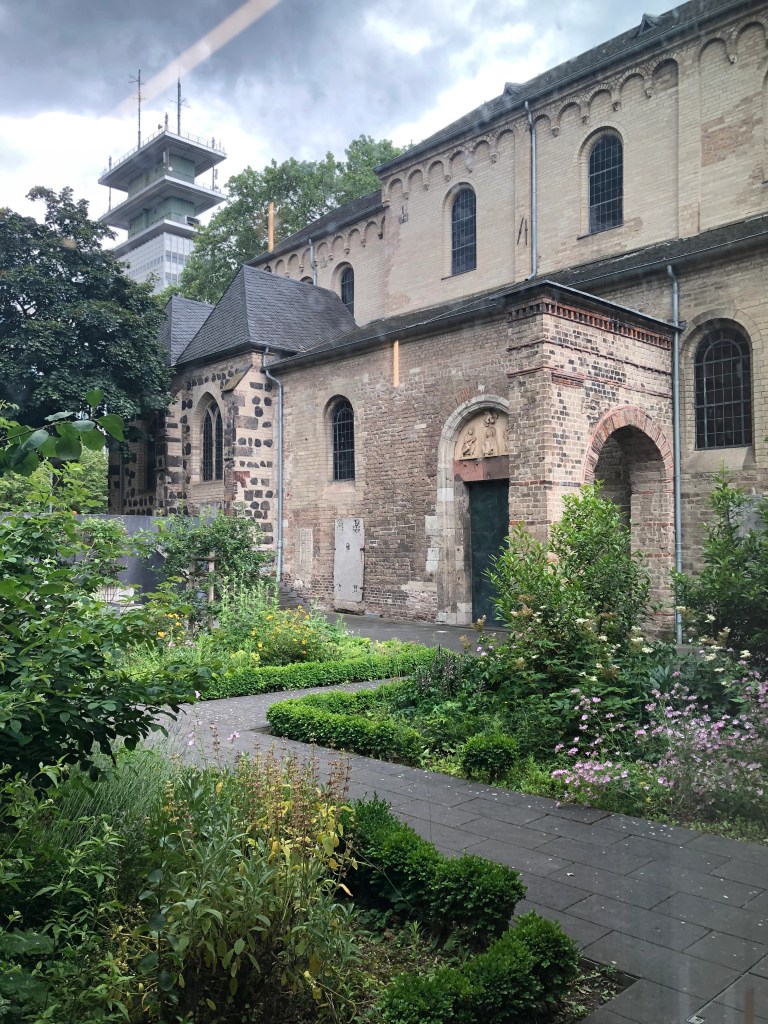
Dissolved in 1802
St. Cecile
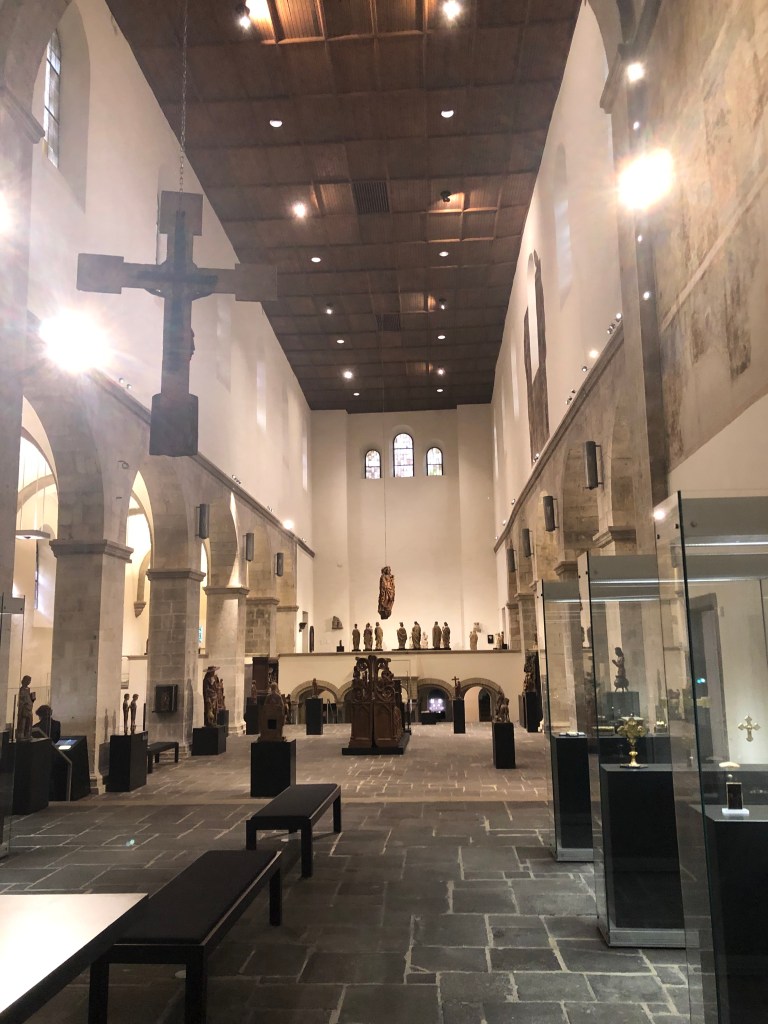
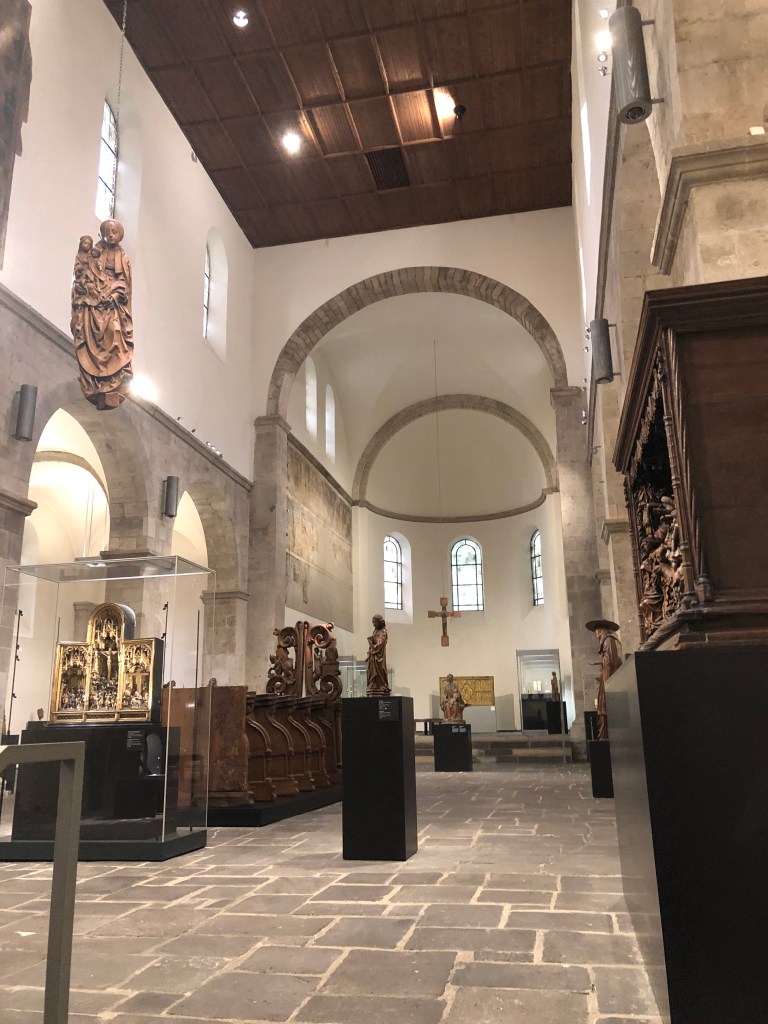
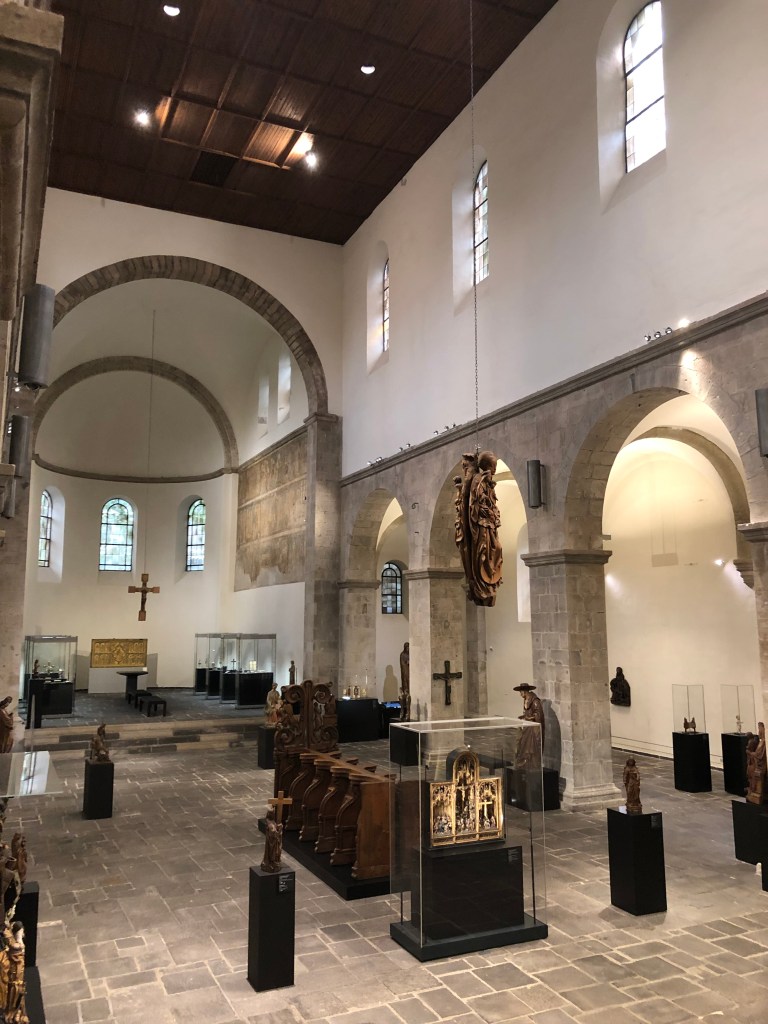
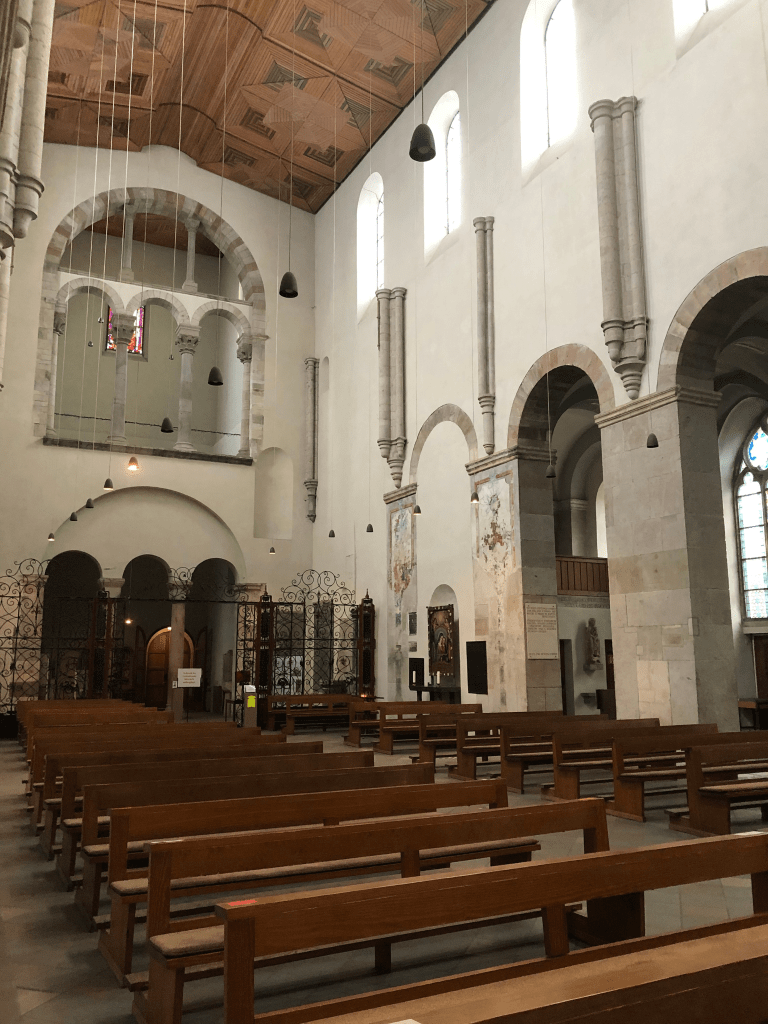
St. Cäcilien (St. Cecile), near Neumarkt, is the oldest women’s convent in Cologne, first documented after the Viking invasion in 881. Although modest, it held historical significance, with just around 15 women living there by 1300. It was dissolved in 1475 and replaced by an Augustinian convent and existed further up until 1802.
Only noblewomen were allowed to join, and unlike nuns, the “Stiftsdamen” (canonesses) could own property and marry thus leave the convent. The convent was located in the city center, close to major squares like Neumarkt. St. Cäcilien shared a double-church setup with St. Peter’s church, with a teacher from the convent running the parish school.
The convent celebrated key religious holidays, including St. Cecilia’s feast day and various processions. It also held relics of St. Cecilia and St. Evergislus. Despite being the smallest of Cologne’s major women’s convents, St. Cäcilien owned various properties and had a bakery and brewery for its own use.
St. Cäcilien’s long history gave it prestige, and it hosted the second mass on Christmas Day, underscoring its importance in medieval Cologne.






St. Ursula
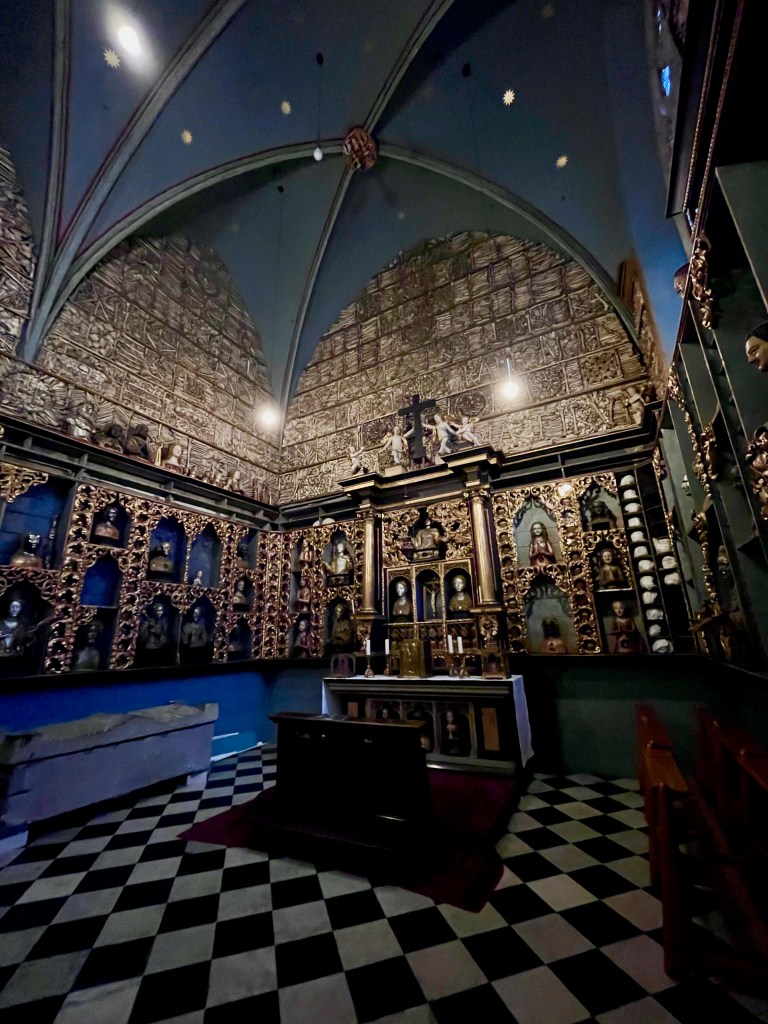
St. Ursula, one of Cologne’s oldest women’s convents, was originally called “Damenstift zu den heiligen Jungfrauen” (Monastery to the Holy Virigins) until the 16th century when it was named after Saint Ursula. Founded in 922, it relocated from Gerresheim (now part of Düsseldorf) due to raids by Hungarians. The convent, built on a former Roman cemetery, became highly regarded, especially with its association to the relics of the 11,000 virgins led by Saint Ursula.
Despite its prestige, St. Ursula often struggled financially in its early period and relied on the Archbishop’s support. Later it was a key pilgrimage site, attracting wealth. The convent achieved independence in the 12th century, aided by the growing cult around Saint Ursula’s relics. By the 13th century, the convent had significant autonomy, with the abbess, a powerful position chosen by the canonesses, overseeing the convent’s administration.
St. Ursula owned numerous properties from which they received income through rents or goods. The convent’s canonesses managed their own estates and elected their abbess for life. Over time, St. Ursula fostered strong ties with the Dominican Order, including prayers for their deceased.
The convent celebrated key religious holidays, with the feast day of the 11,000 virgins on October 21 being especially important, marked by a procession to the St. Ursula church. Other celebrations included Palm Sunday and various other religious events.


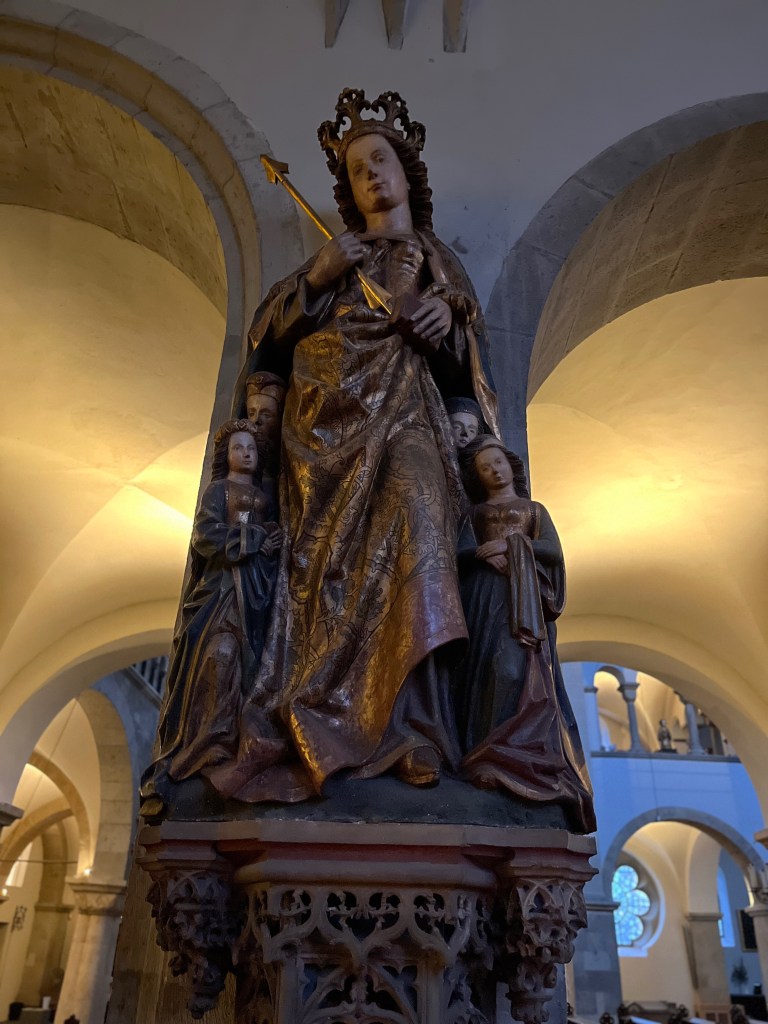


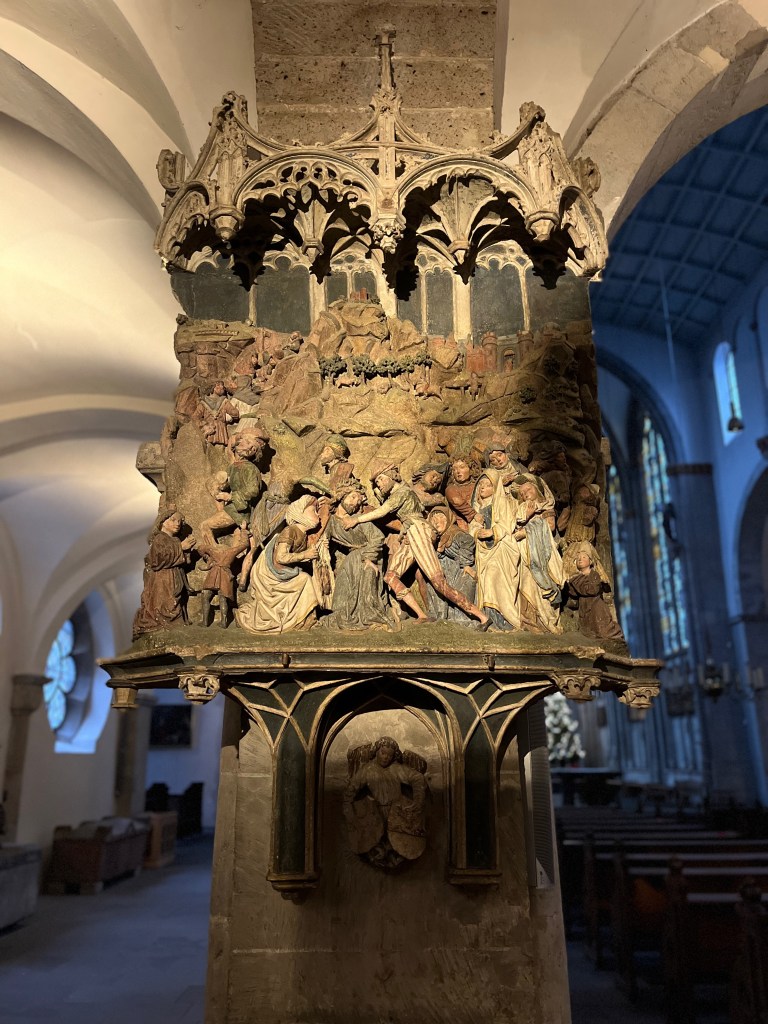


St. Mary in the Capitol
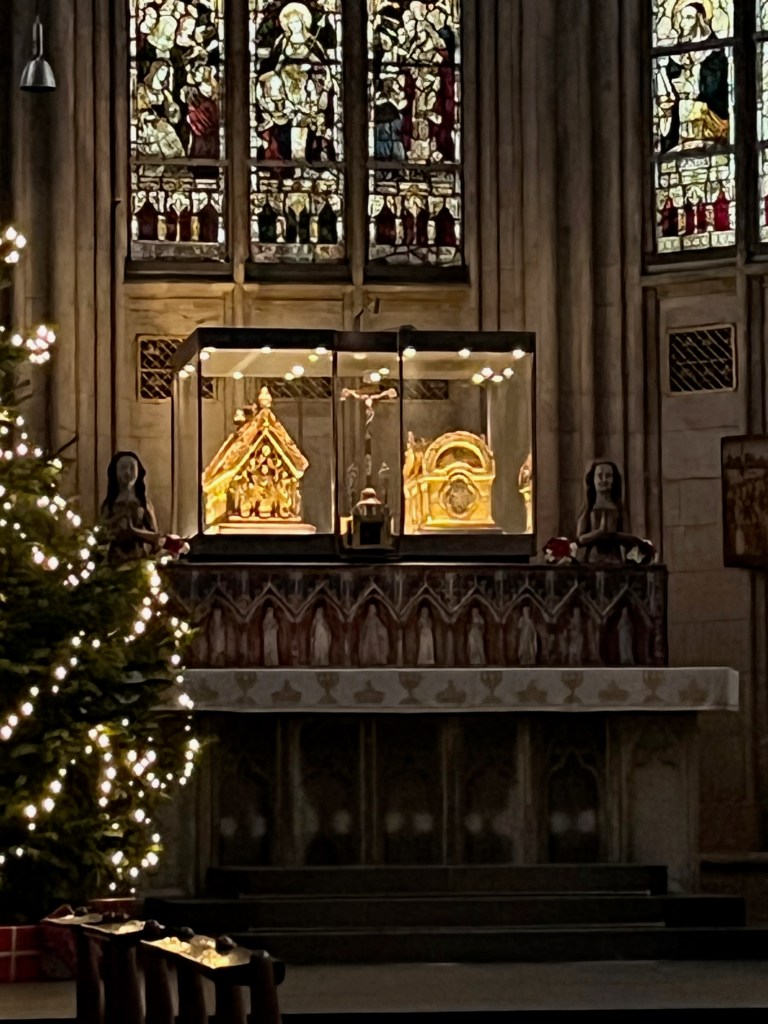
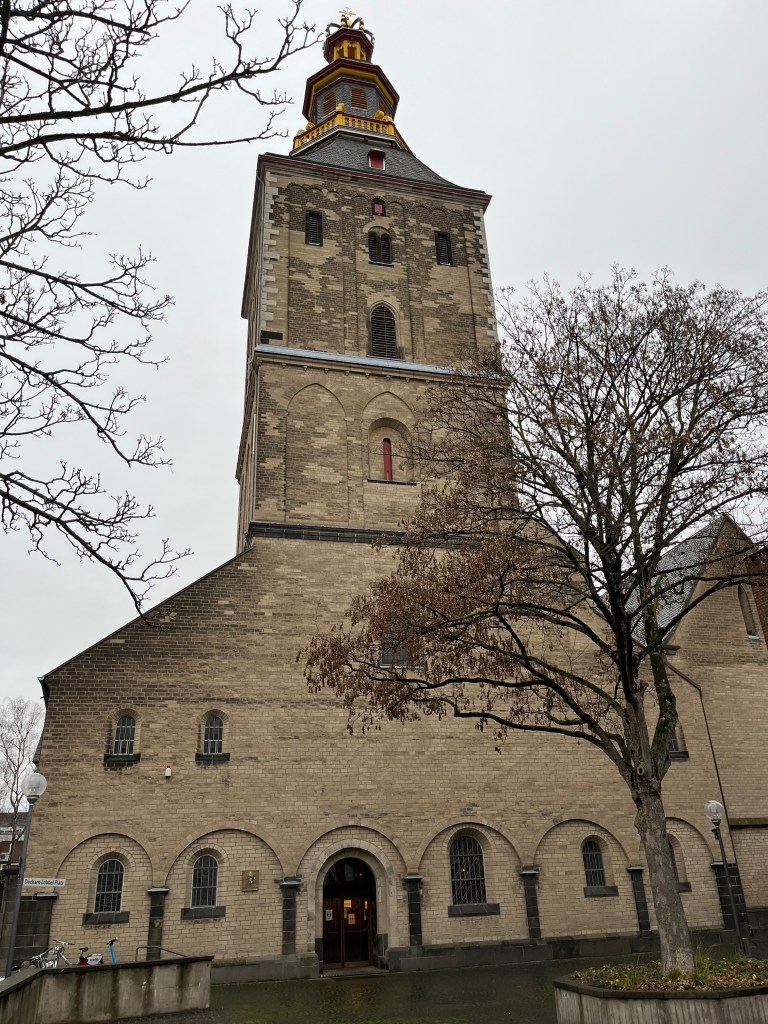
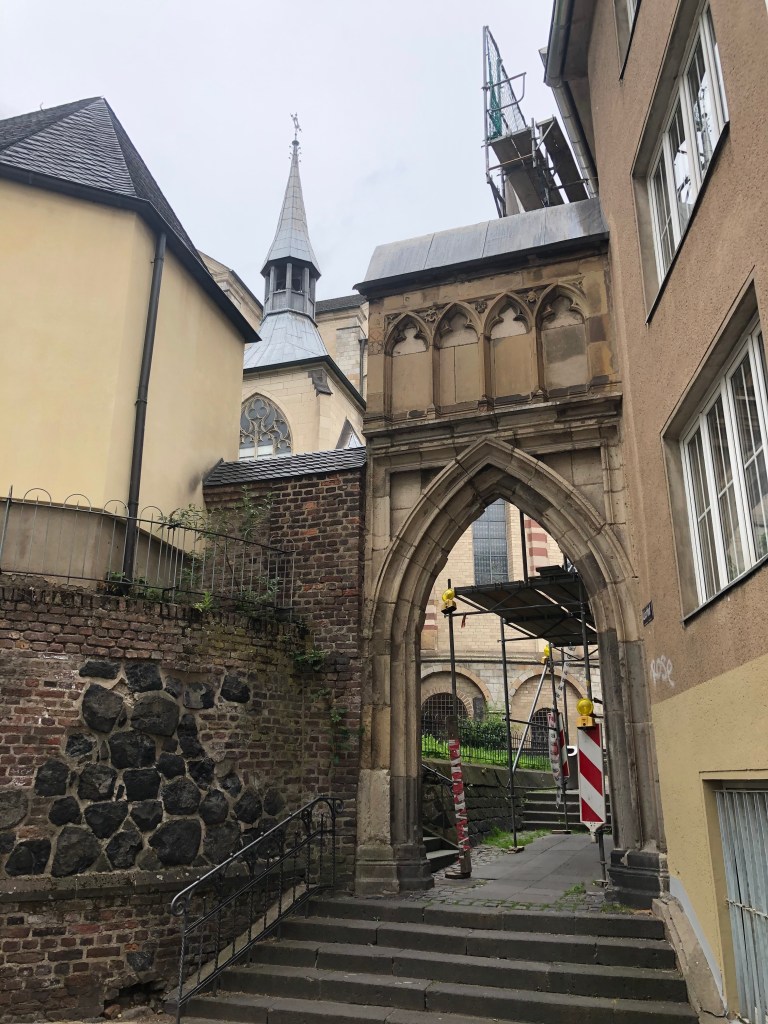
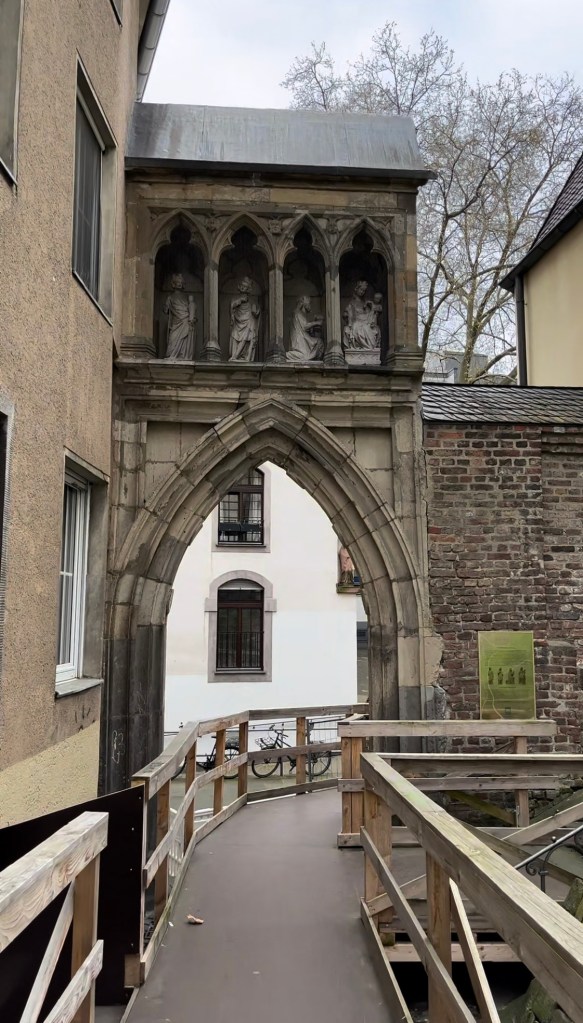
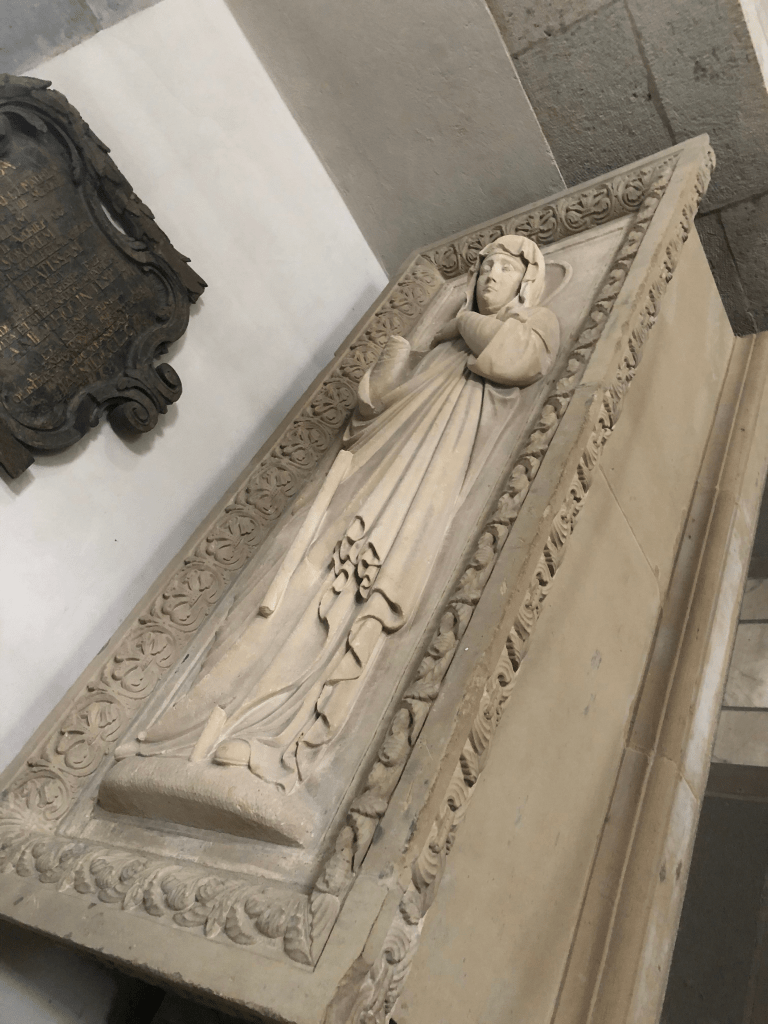
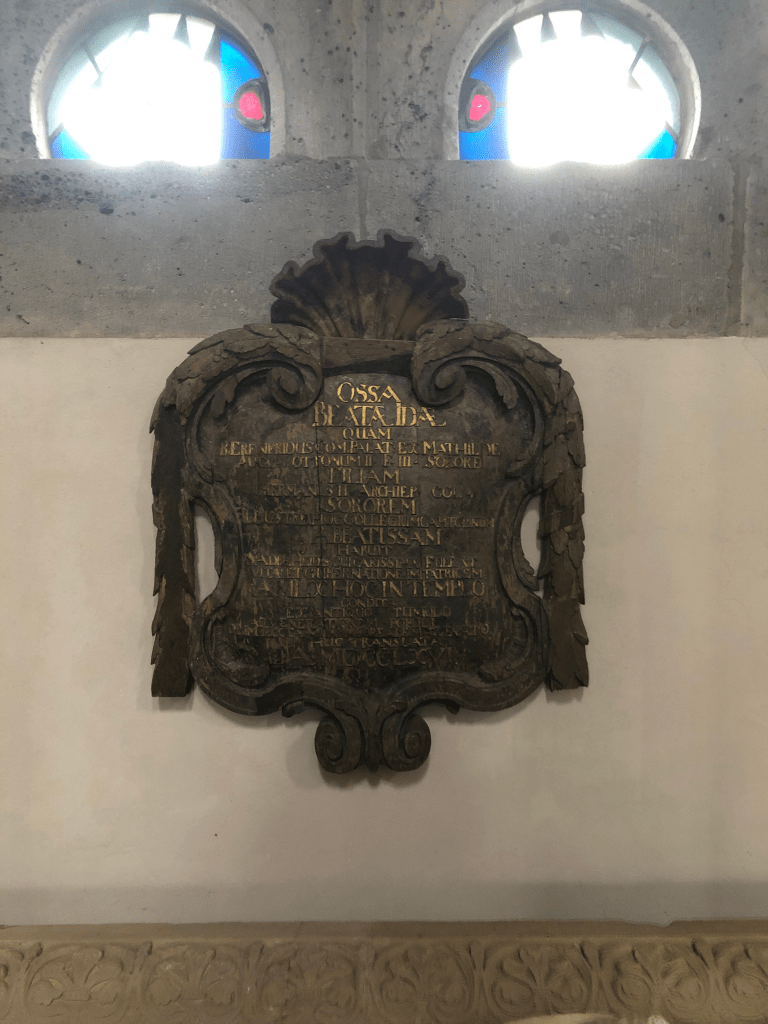
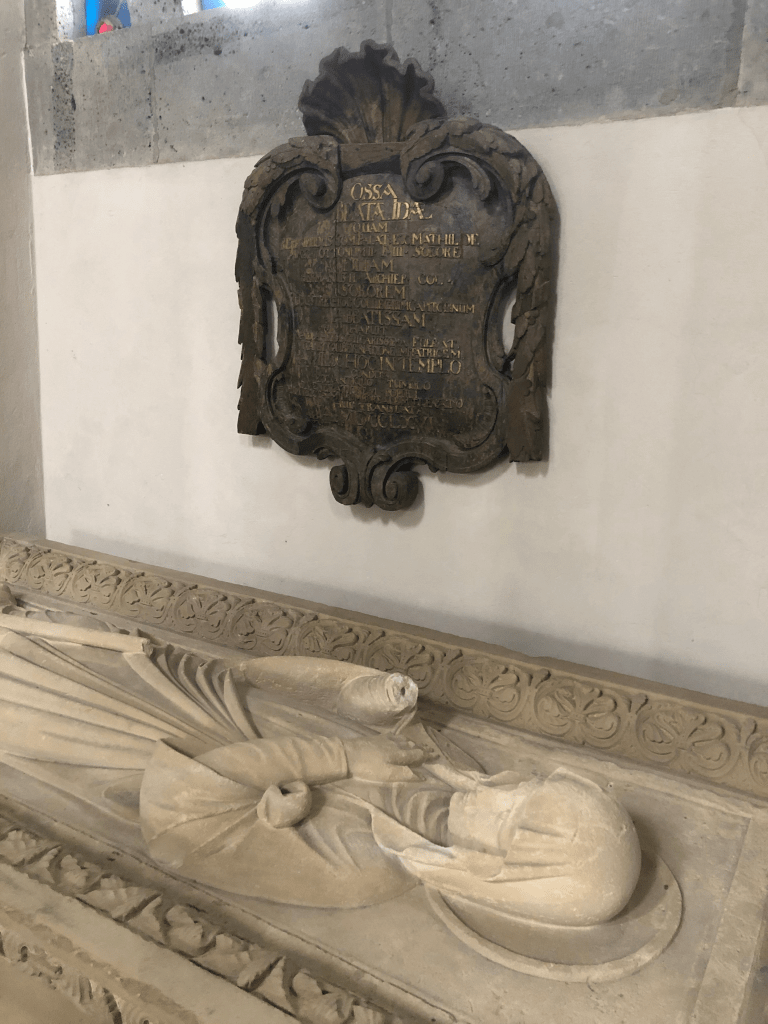
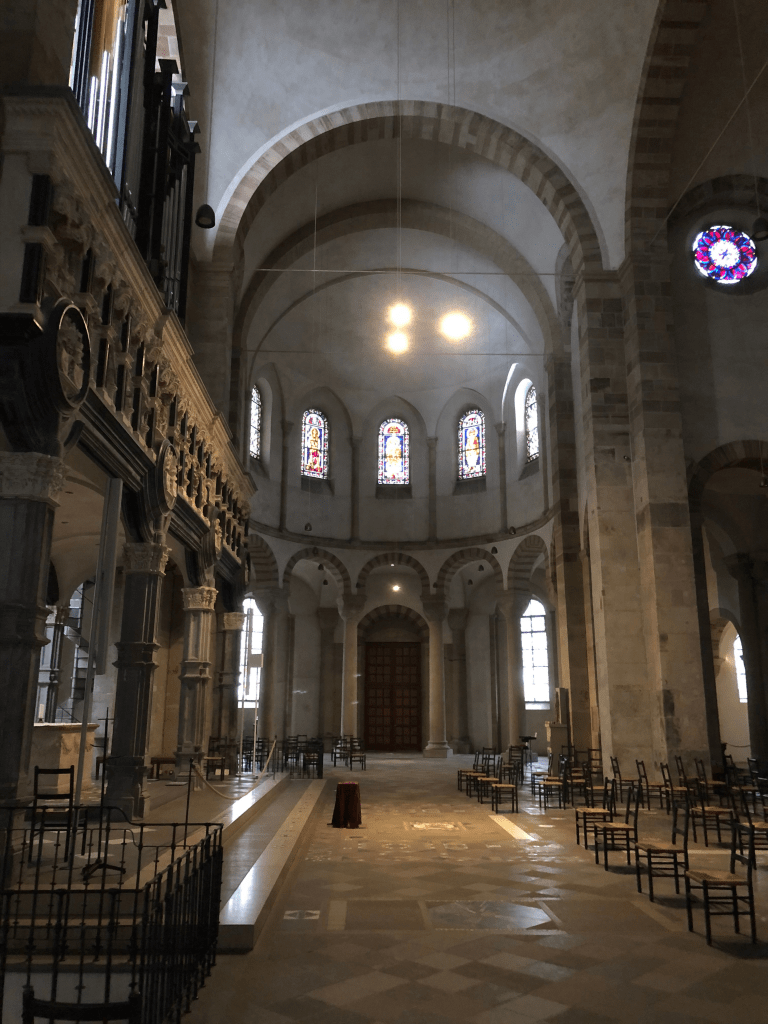
St. Maria im Kapitol (St. Mary in the Capitol), founded in the 11th century by Abbess Ida, was one of the wealthiest convents in Cologne. The convent grew significantly through donations and land grants, becoming one of the most important churches in the city, second only to the Cathedral. Its location made it the church of the Cologne citizens, especially after the 13th century.
The convent’s importance was due to its age, wealth, and connections with powerful families like the Ezzons and later the Patrician families of Cologne. Notably, the Pope personally consecrated its altar in the 11th century. St. Maria im Kapitol became the first stop for the Roman-German king after his coronation in Aachen, and the abbess was regarded as the most respected in the archbishopric of Cologne.
The convent had around 34 canonesses, lay sisters, and servants. Its wealth stemmed from vast estates, vineyards, and rights to taxes and duties. It was involved in trade, especially selling wine from its vineyards. Memorial foundations, where wealthy citizens funded prayers for the dead, provided significant income.
St. Maria im Kapitol also ran a school, a hospital, and a bakery. Its cemetery, the “Lichhof,” was reserved for pilgrims and those who died in the hospital. On important religious holidays, such as Christmas, the Archbishop held the first mass here, reflecting its high status in Cologne’s church hierarchy.







Don’t miss any new episode!
 The History of Cologne Podcast