
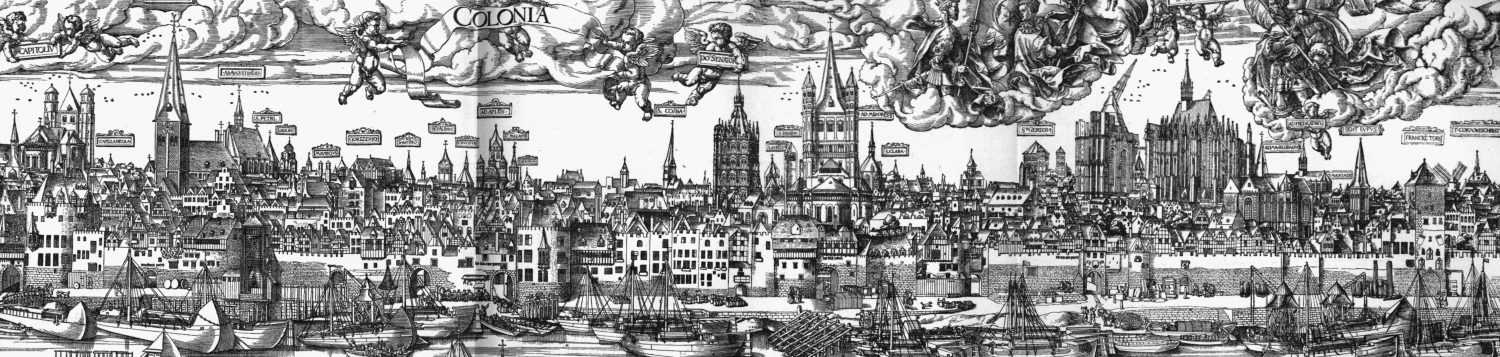

How a Prison Break Became a Turning Point in Cologne’s History
In 1259, Archbishop Konrad von Hochstaden seized power in Cologne, overthrowing the city’s patrician families and imprisoning several in Are Castle. After Konrad’s death in 1261, the patricians hoped his successor, Engelbert II von Falkenburg, would restore their rights. However, despite early promises, Engelbert betrayed them, maintaining the city’s control for himself. When relatives tried to free the prisoners, they were themselves captured. Eventually, the prisoners escaped and, with help from the citizens, negotiated their return. But Engelbert demanded high payments and further tightened his grip. Tensions erupted on 8 June 1262 when Cologne’s citizens, alongside the patricians, rose up violently…
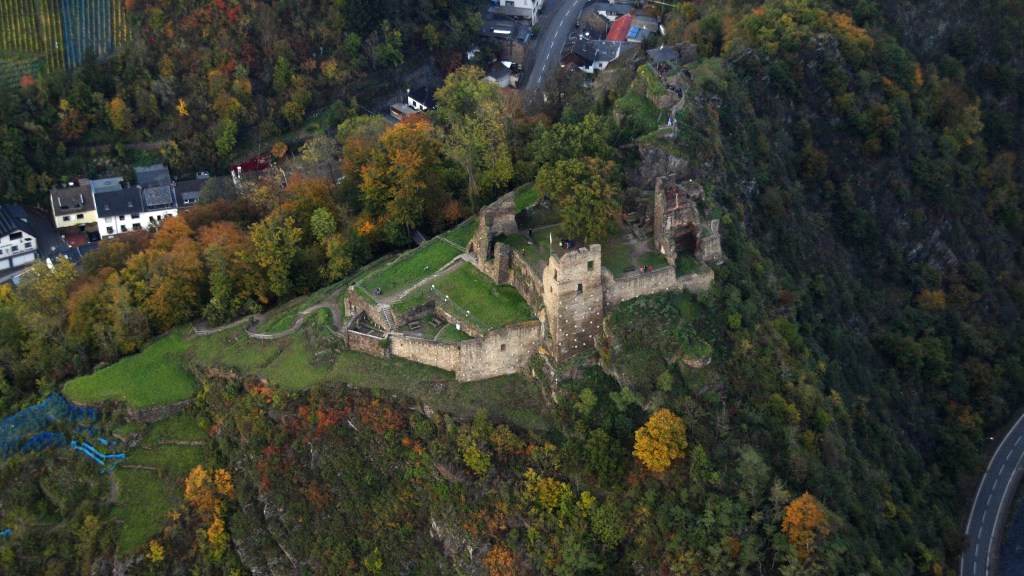
Are Castle
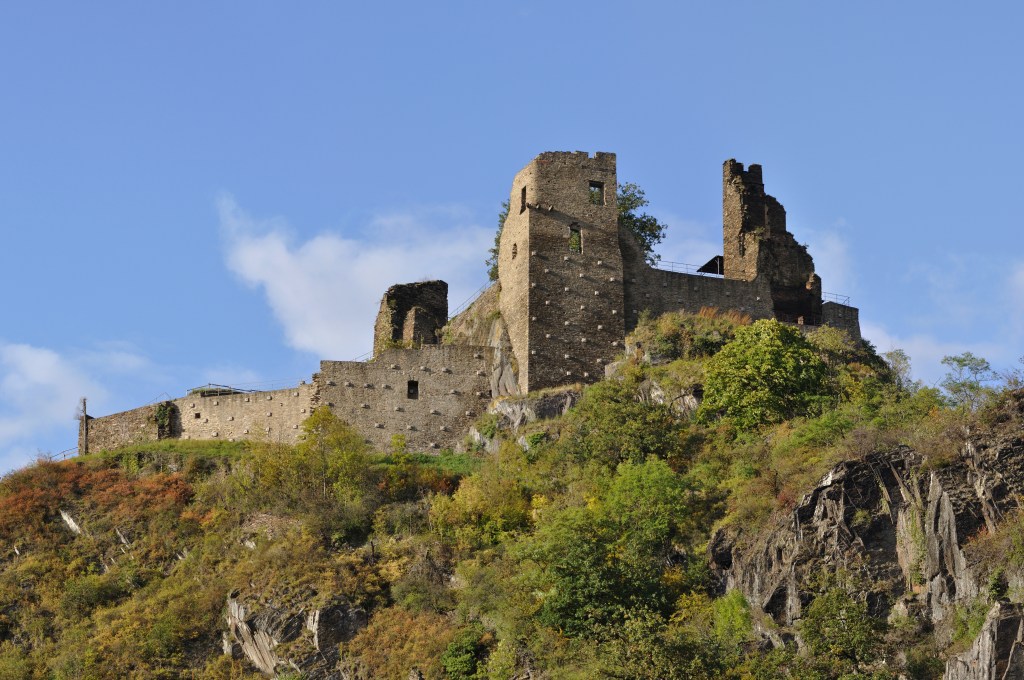
Are Castle (Burg Are) is a medieval hilltop fortress located above the town of Altenahr in Germany. Built around 1100 by Count Theoderich of Are, it served both as a residence and a stronghold to control the Ahr Valley. Over the centuries, the castle was expanded and fortified, becoming an important regional power center. It was partially destroyed in the late 17th century during the wars of that time and later fell into ruin.
Engelbert II von Falkenburg
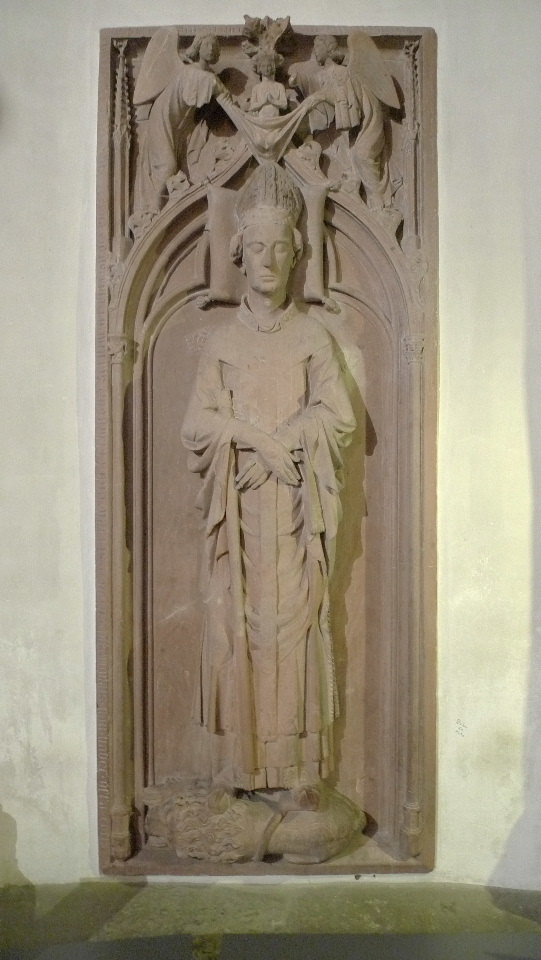
Tombstone of Engelbert II von Falkenburg (c. 1220–1274). He was a German nobleman and clergyman from the powerful Falkenburg family. He became Archbishop of Cologne in 1261, after serving in various church roles.
Bayenturm (Bayen Tower)
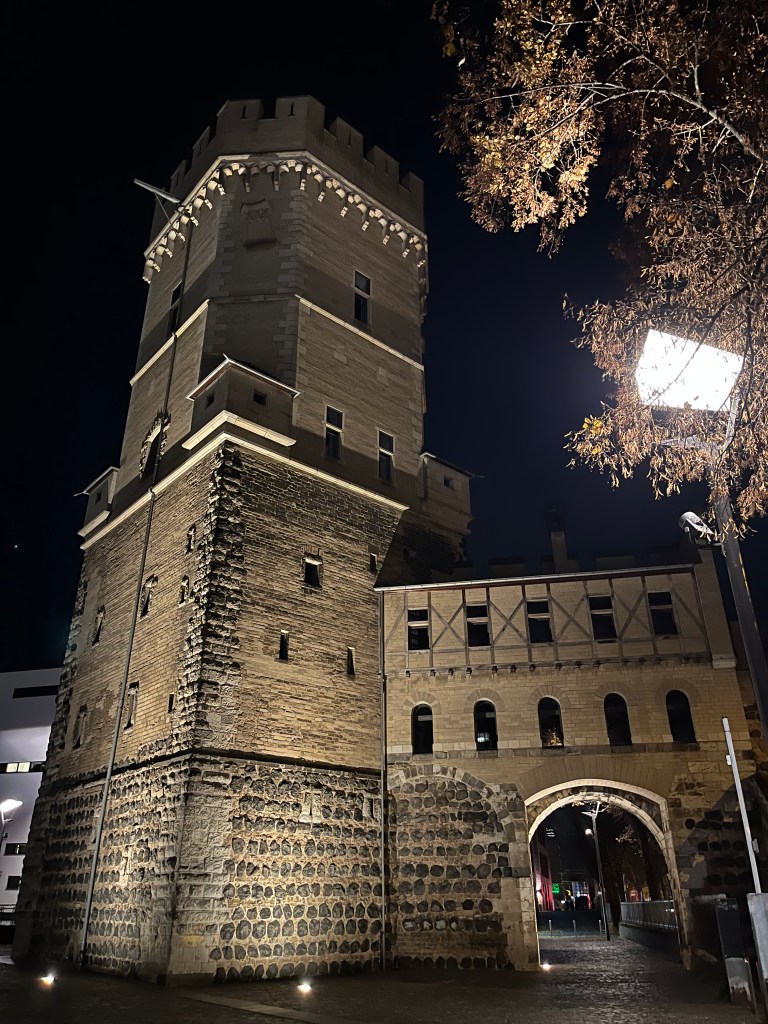
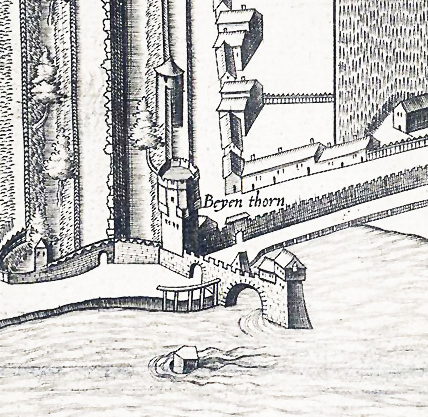
The Battle of Bayenturm in 1262 was a decisive conflict during the Cologne uprisings against Archbishop Engelbert II. After Engelbert attempted to consolidate his control over the city, the citizens of Cologne, including the exiled patrician families, rose up to reclaim their rights.
Kunibertsturm (Kunibert Tower)
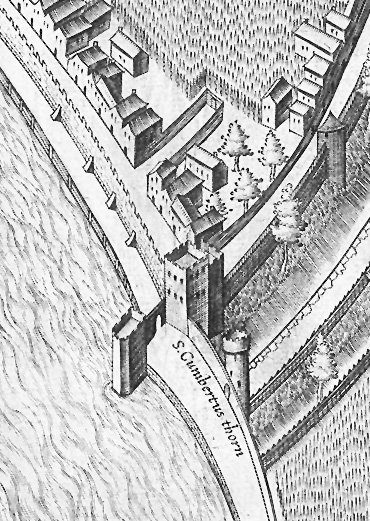
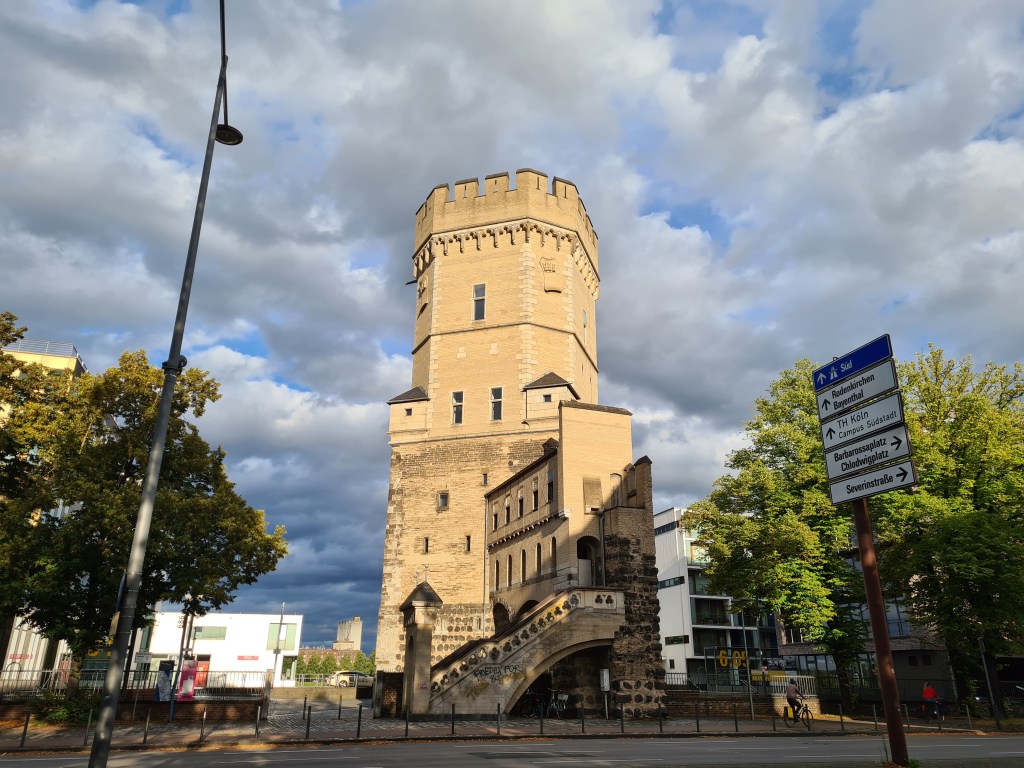
The Kunibertsturm was a medieval tower in Cologne, originally part of the city’s defensive fortifications. Located on the northern side of the city, it was one of the gates in the medieval city wall. Named after Saint Kunibert, a 7th-century bishop of Cologne, the tower served both as a defensive structure and a symbol of the city’s strength. During the conflict in 1262, it became a key point of contention between the citizens and Archbishop Engelbert II’s forces, symbolizing the fight for control over Cologne’s independence.
 The History of Cologne Podcast