
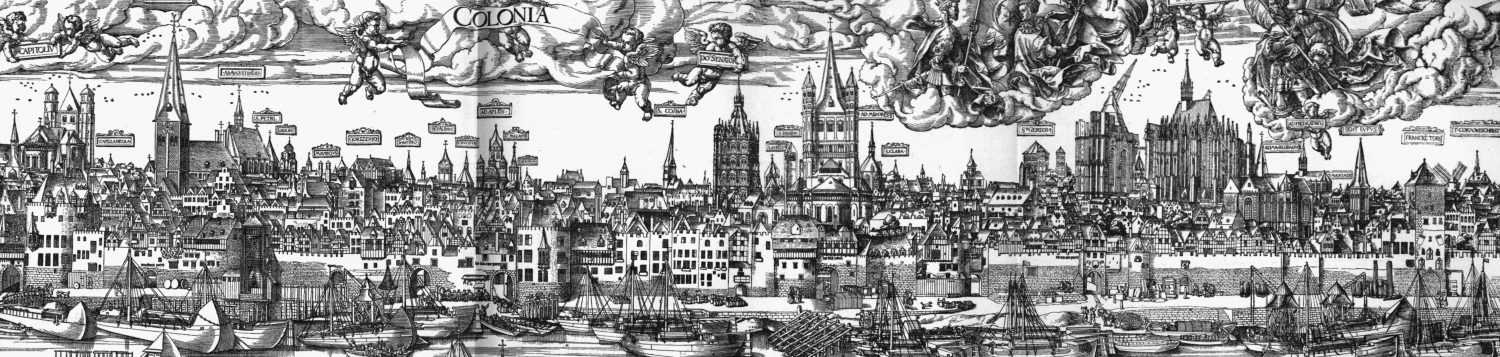
How could such a violent battle at Worringen in 1288 happen? Just north of Cologne’s city limits? In this episode we take a short look at the Empire as a whole and how it was fundamentally changing on its way into the Late Middle Ages and affecting the events to unfold in the Battle of Worringen.
The Interregnum – the era without an emperor 1250-1273
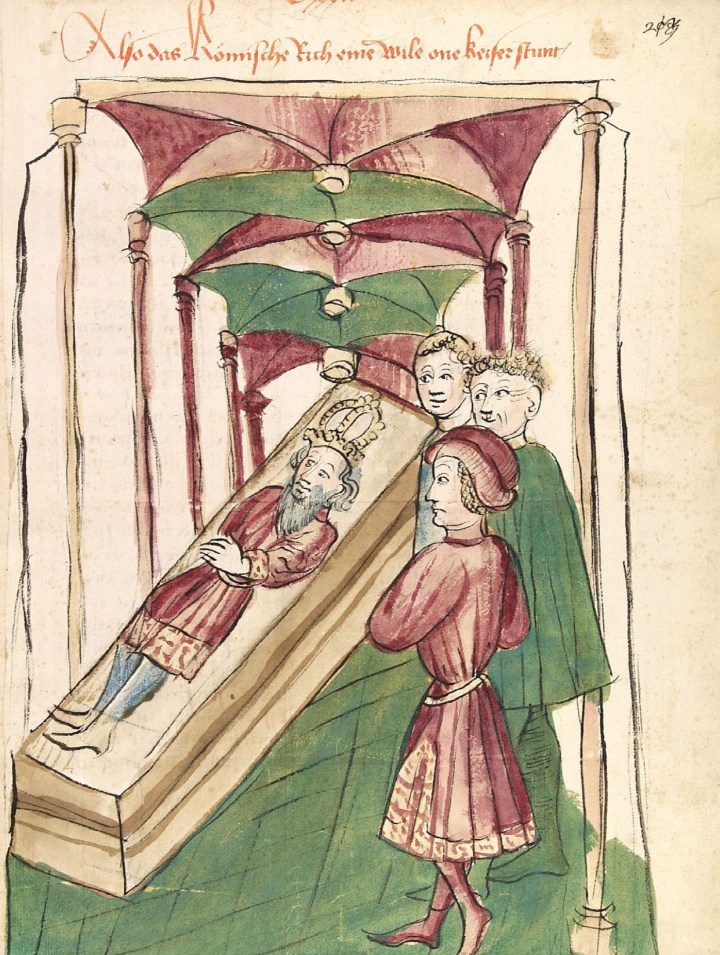
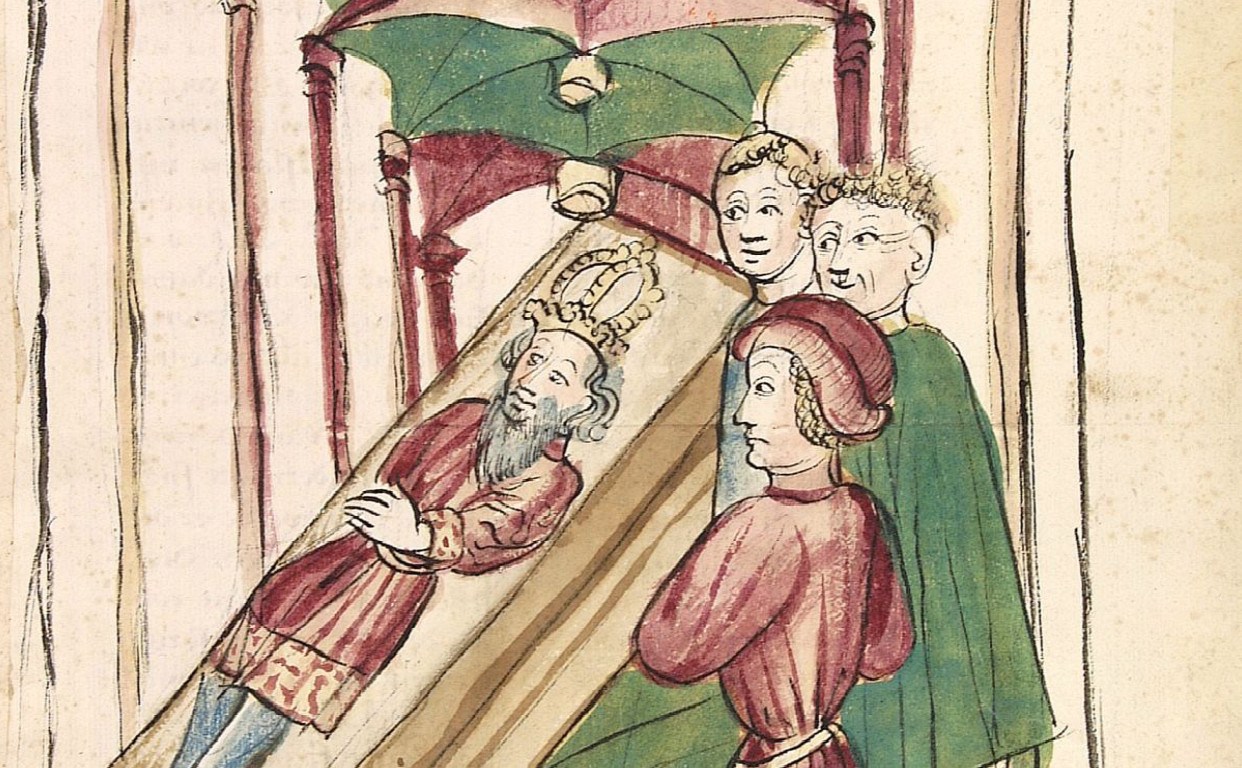
The Interregnum was a period from 1250 to 1273 in the Holy Roman Empire when there was no widely recognized king, nor an emperor. After the death of Frederick II, several rival kings were elected, but none of them had strong authority over the empire. As a result, the territorial princes gained more power and ruled their lands largely independently. The period ended in 1273 with the election of Rudolf I of Habsburg, who re-established stronger central leadership.
The Empire at the end of the 13th century
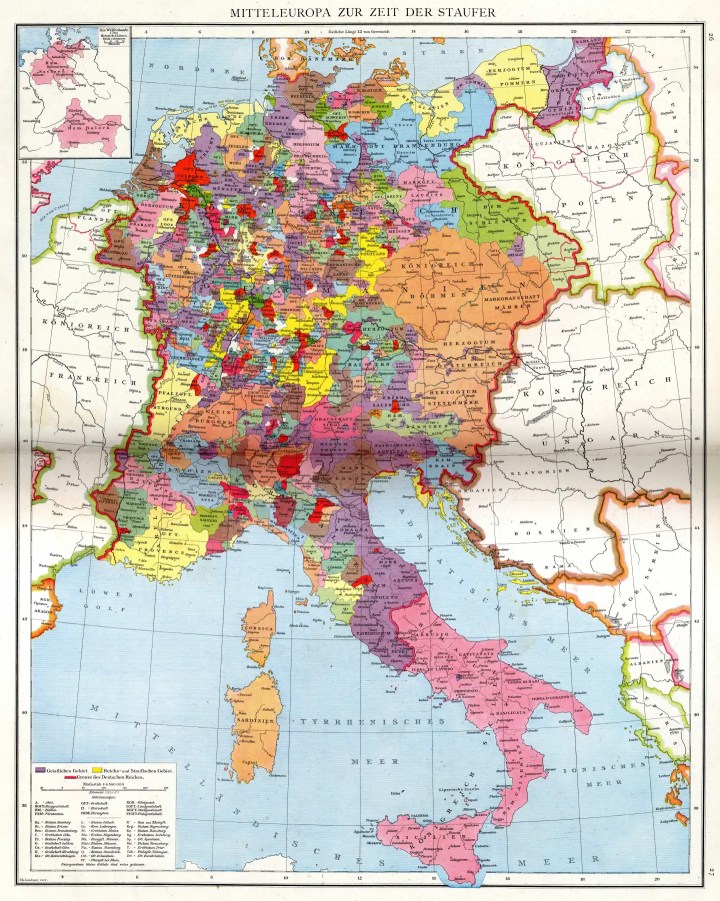
In the late 13th century, the Holy Roman Empire became a decentralized empire made up of many semi-independent territories. After the Interregnum, the emperor’s power was weak, and princes, bishops, and cities ruled their own lands with considerable independence. Even under Rudolf I of Habsburg, the emperor depended on the cooperation of these powerful regional rulers.
Rudolf of Habsburg
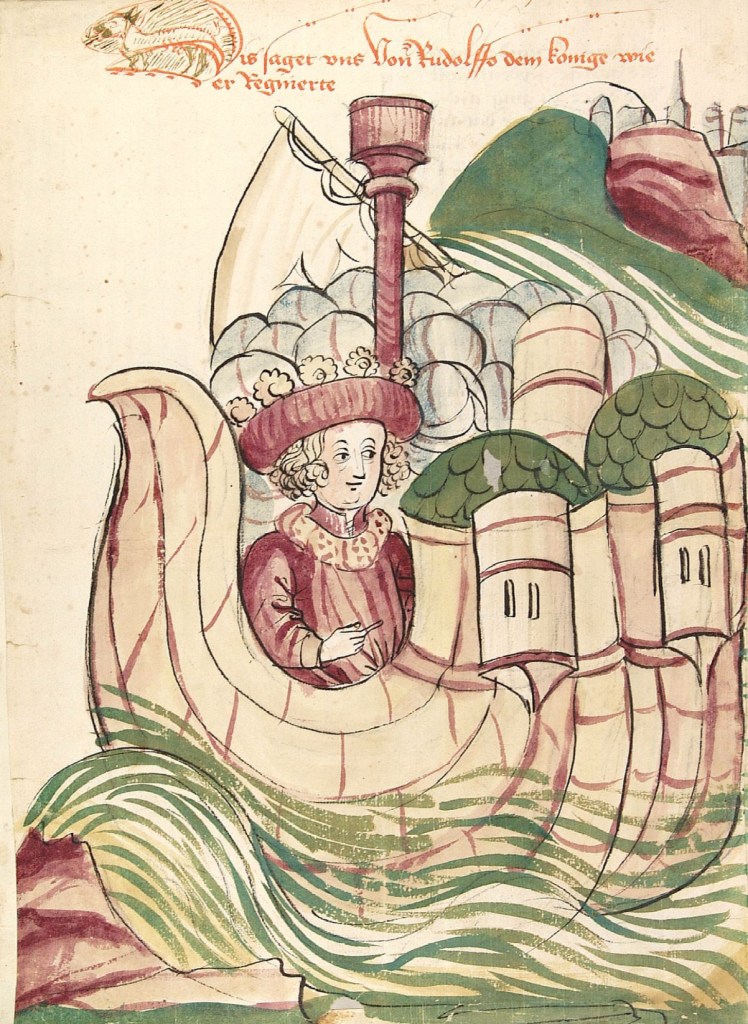
Rudolf I of Habsburg (1218–1291) was elected King of the Holy Roman Empire in 1273, ending the Interregnum. He strengthened royal authority and defeated Ottokar II of Bohemia, gaining Austria and Styria for the Habsburg family. This marked the beginning of the rise of the Habsburg dynasty in Central Europe up until 1918!
Siegfried of Westerburg
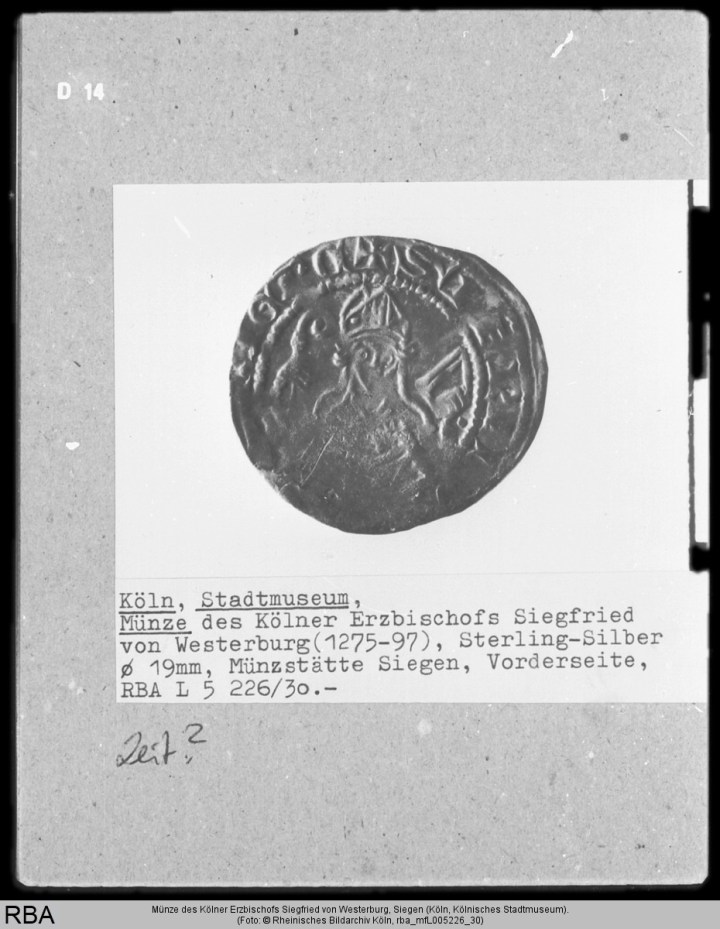
Source: Reproduktions-Nr: rba_d102695_01
Bildnachweis: Rheinisches Bildarchiv Köln, 2024
Siegfried von Westerburg, Kölner Erzbischof 1275-1297 und Adolf II von der Mark, Kölner Erzbischof 1363-1364, 1276 & 1363, Historisches Archiv der Stadt Köln, Köln.
Siegfried von Westerburg, the archbishop of Cologne, played an important political role during the Interregnum in the Holy Roman Empire. As one of the 7 prince-electors, he helped choose kings and tried to strengthen the power of the archbishopric in the Rhineland.
After the interregnum, he continued to fight to maintain and expand his territorial power. His rule led to conflicts with the regional nobles and the citizens of Cologne. This struggle would end with his defeat in the Battle of Worringen in 1288, which greatly weakened the political power of the archbishops of Cologne and increased the independence of the city.
 The History of Cologne Podcast