
Imagine you are one of the most powerful rulers in the Holy Roman Empire. You sit in a sparsely furnished chamber, the flicker of a single oil lamp casting long shadows on the stone walls. Outside, the air is thick with the snorting of warhorses and the clatter of 3,500 knights. You are certain of victory—so certain, in fact, that you have brought hundreds of iron chains to the battlefield to bind your enemies for ransom.
This was the reality for Archbishop Siegfried von Westerburg on the night of June 4, 1288. But as the sun rose on the Feast of Saint Boniface, the “Apostle of the Germans,” the stage was set for a “trial by combat” that would reshape the power structure of the Rhine forever.
Beyond the Myth: Freedom vs. Power
In local lore, the Battle of Worringen is often told as a simple story of freedom-loving citizens rising against a tyrannical lord. However, the historical reality is far more complex. This wasn’t a struggle of “good versus evil,” but a brutal power struggle among the elite.
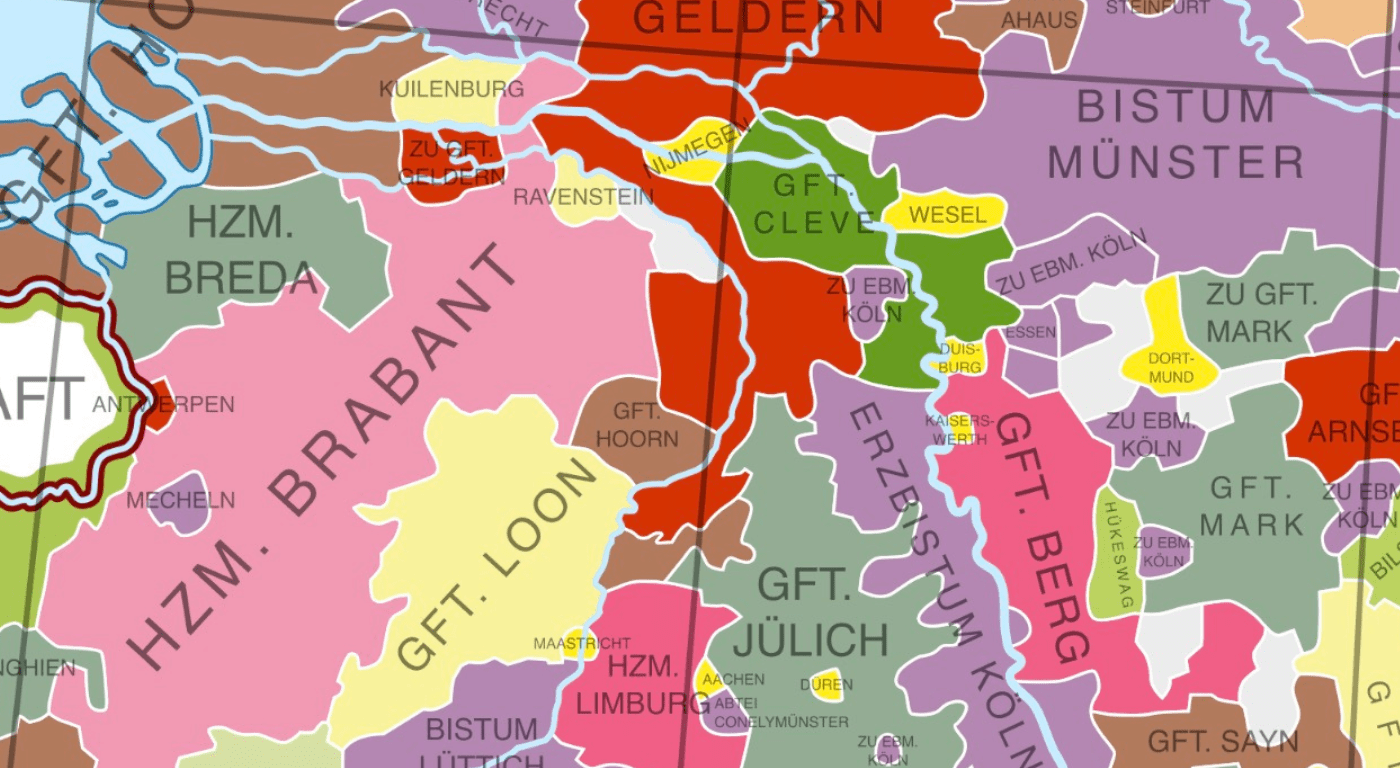
At the heart of the conflict was the Limburg succession dispute, a smoldering war that had ravaged the countryside for five years. While the common people of Cologne might have desired more freedom, the city’s wealthy merchants were playing a high-stakes game of political chess.
The “Aircraft Carrier” of the Rhine
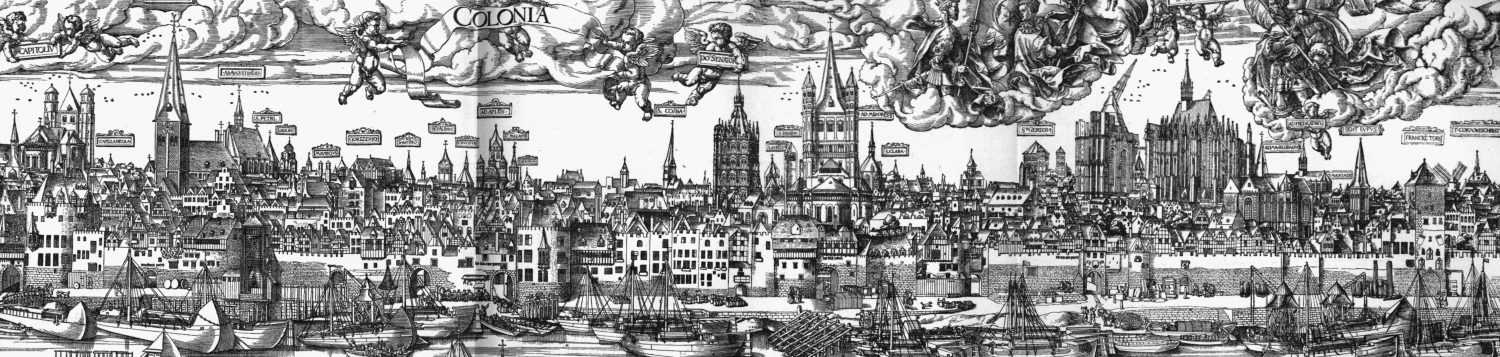
One of the most shocking moments of 1288 was what many historians call the Great Treason of Cologne. Despite renewing a friendship treaty with the Archbishop just a year earlier, the city shifted its allegiance to Duke John of Brabant at the eleventh hour.
Why the change of heart? The citizens realized that if the Archbishop won the war, he would be unstoppable, potentially revoking the very privileges he had promised them. By opening their gates to the Duke of Brabant, Cologne became a strategic “aircraft carrier” parked right in the middle of the Archbishop’s territory, providing a base for siege engines and supplies.
Hollywood vs. Historical Reality
We’ve all seen the cinematic version of medieval warfare: two disorganized masses running at each other in a chaotic brawl. The reality of the 13th century was much more disciplined.
- The Elite: This was the age of the armoured horseman—knights, squires, and sergeants—who trained their entire lives for collective combat.
- The Banner: Because helmets made individuals unrecognizable, the banner was the most vital tool on the field, serving as a rallying point and a leadership symbol.
- Risk Management: Pitched battles were incredibly rare because they were so risky. Most wars were won through economic attrition—plundering lands and starving out fortresses via sieges.
A Divine Judgment
In 1288, a battle wasn’t just a military engagement; it was a “Judgment of God”. Both sides believed that the victor would be the one God deemed the rightful ruler of the disputed lands.
As dawn broke on June 5, Siegfried von Westerburg marched toward the Fühlinger Heide, confident that his superior numbers and his iron chains would secure his supremacy. He didn’t realize that the very chains he brought for his enemies might soon have a very different purpose.
Sources:
- Ulrich Lehnhardt: The Battle of Worringen. Warfare in the Middle Ages.
- Vera Torunsky: Worringen 1288.

